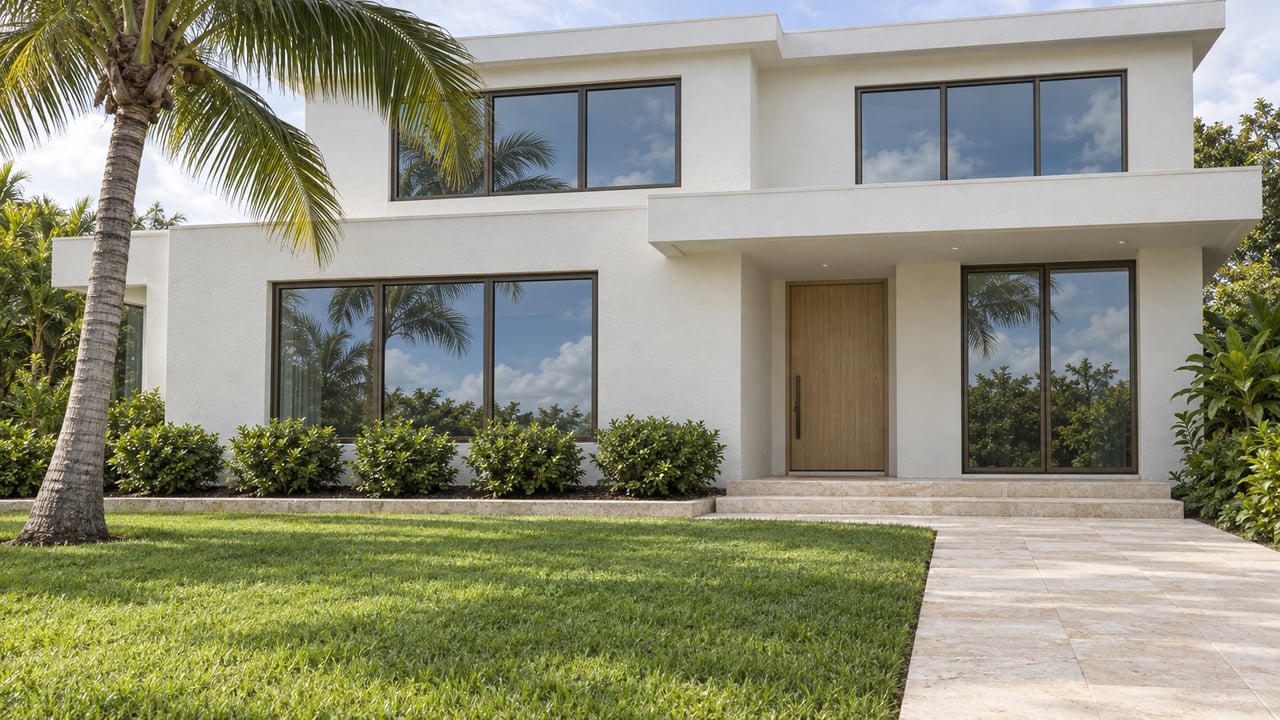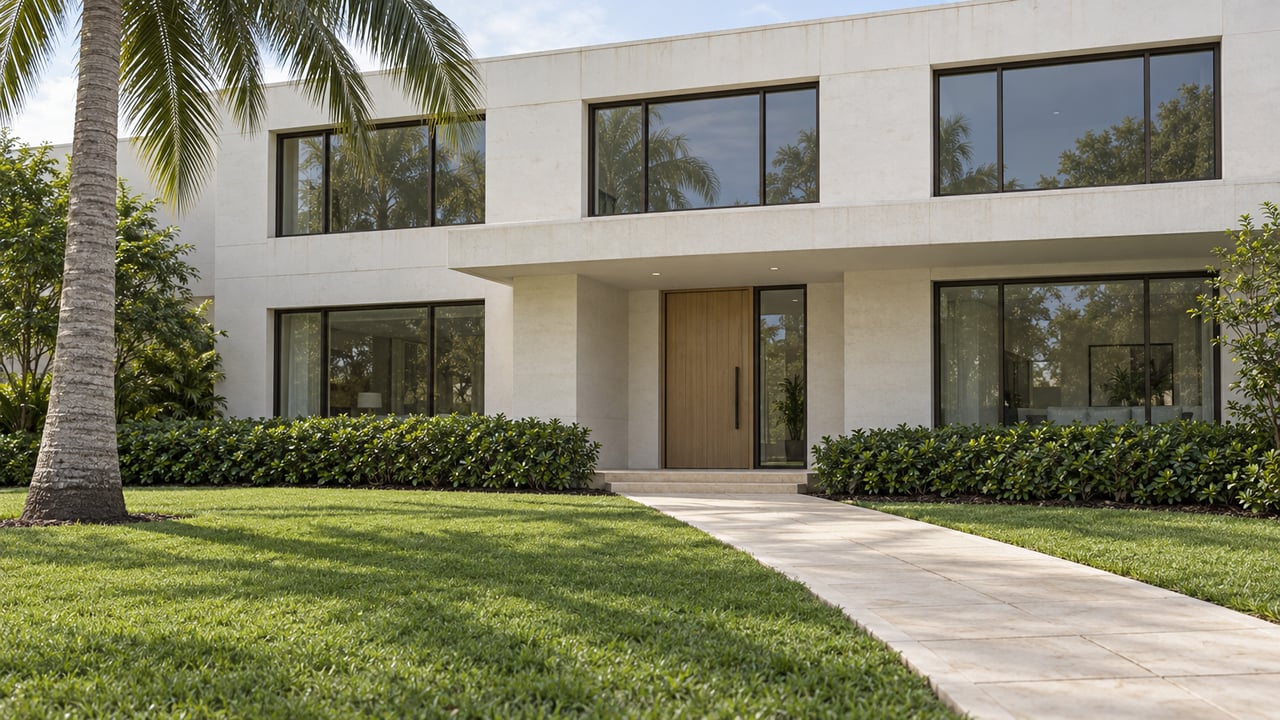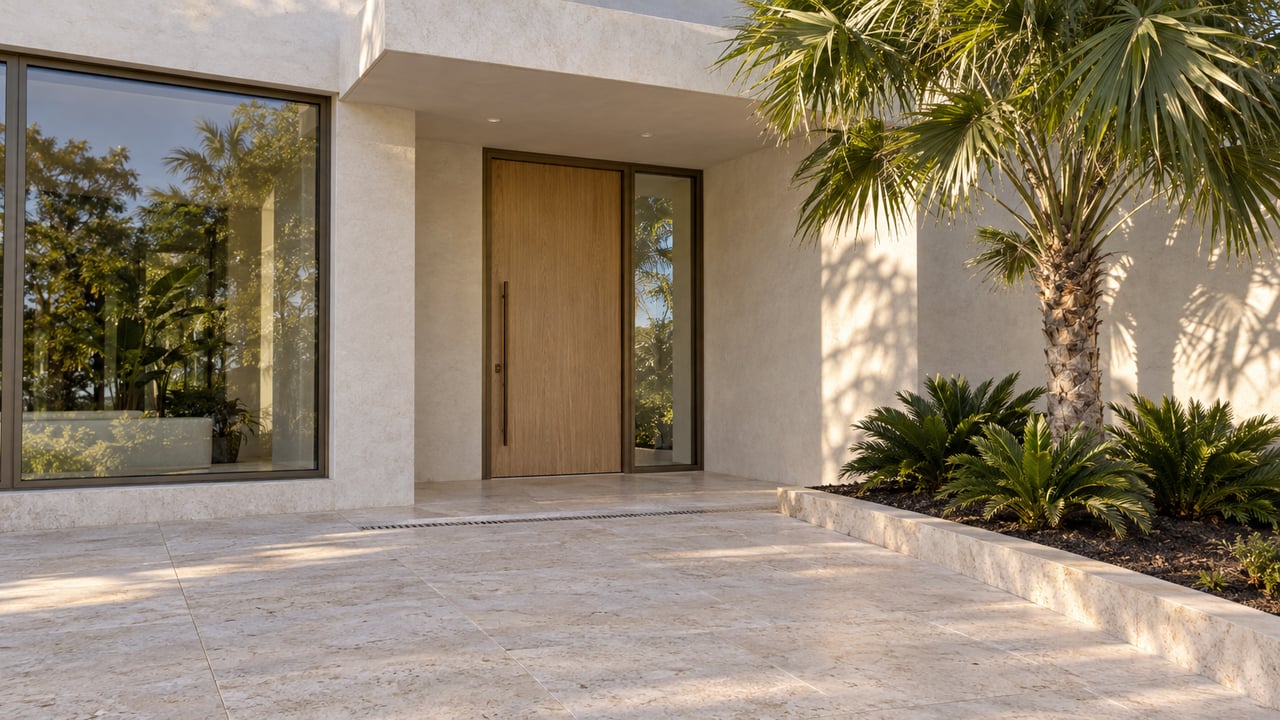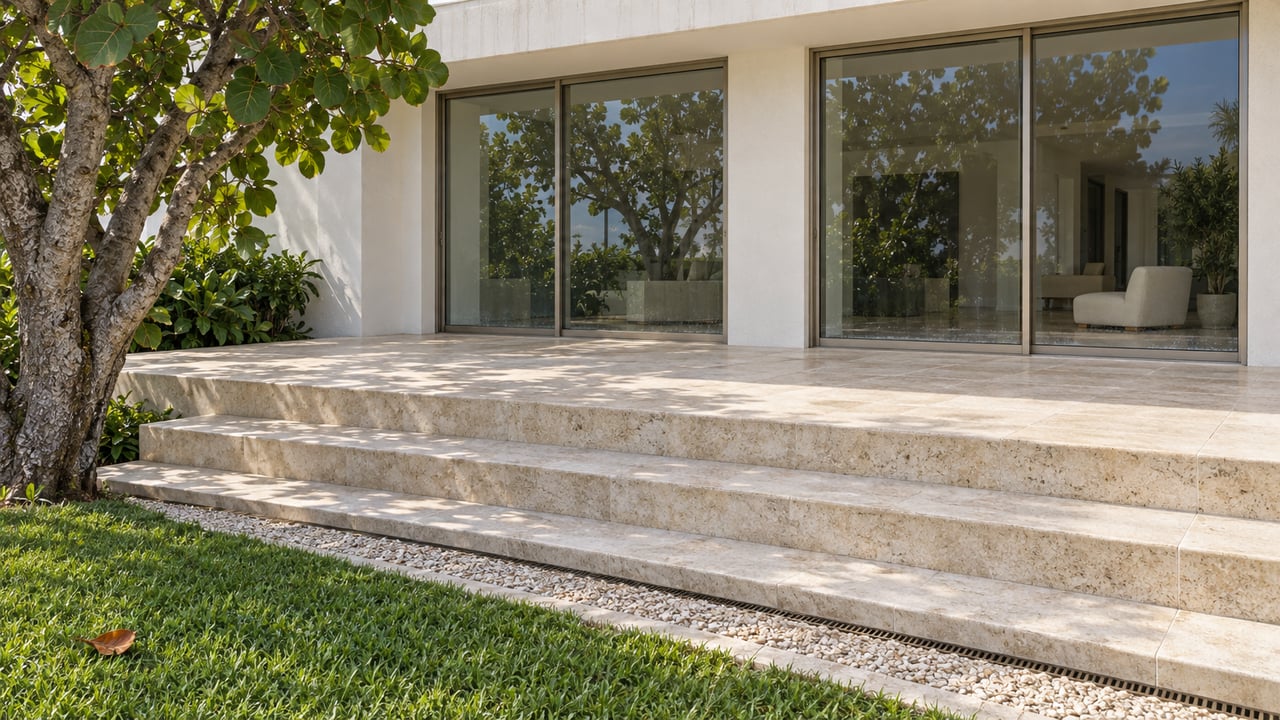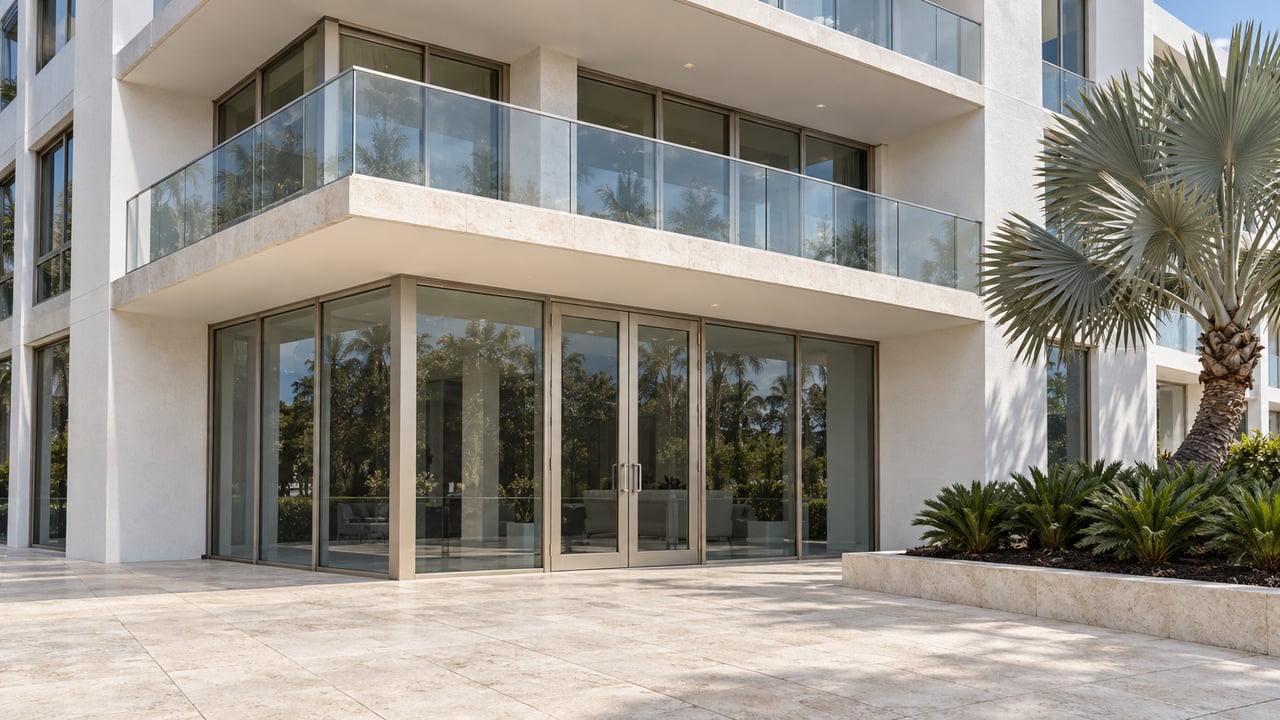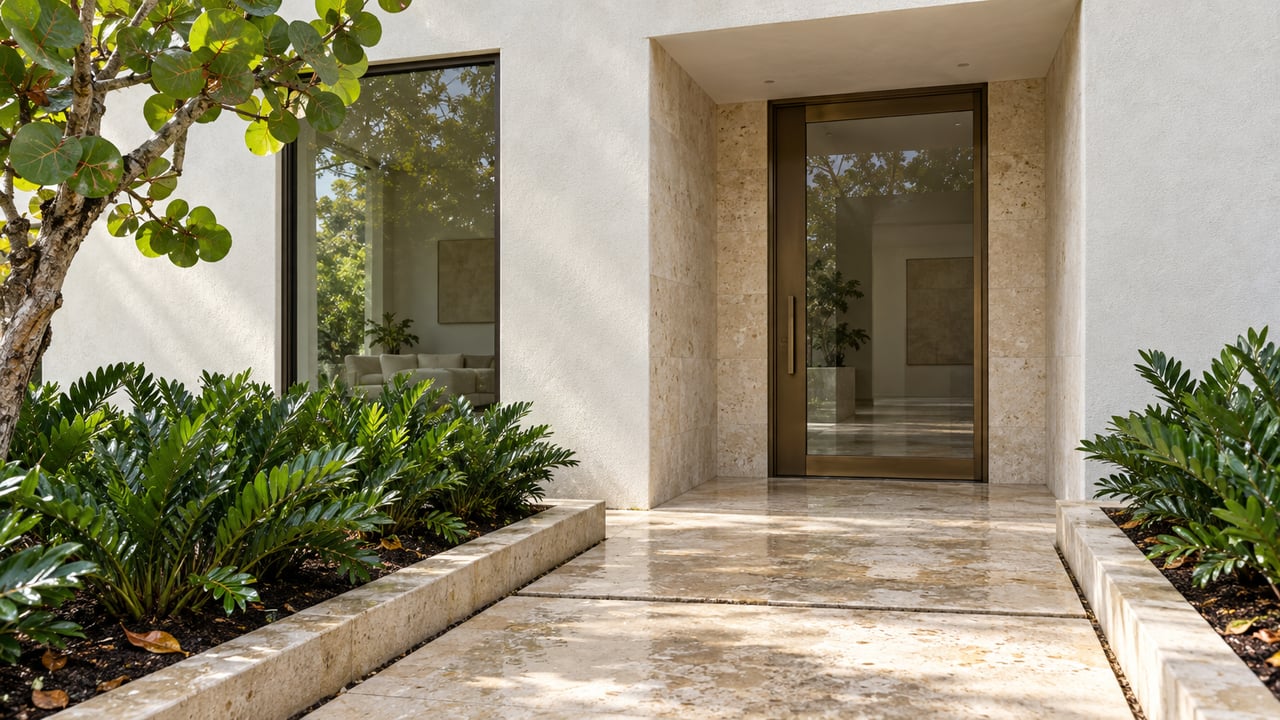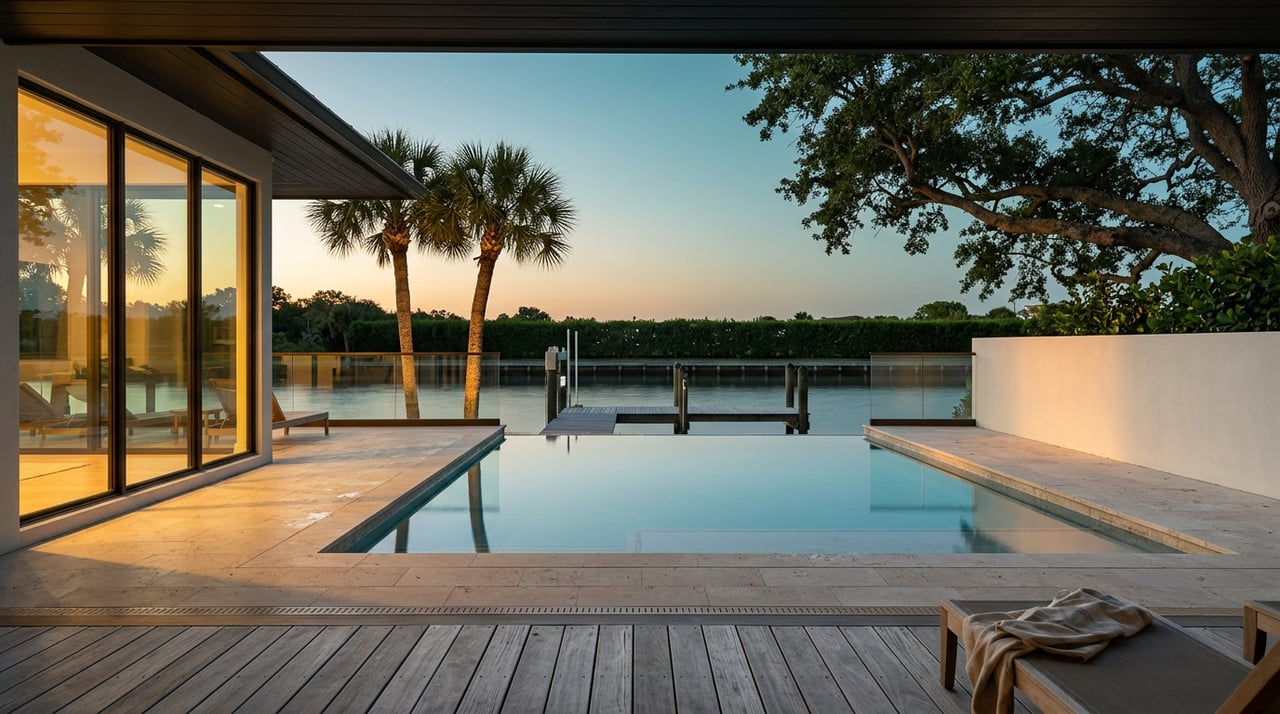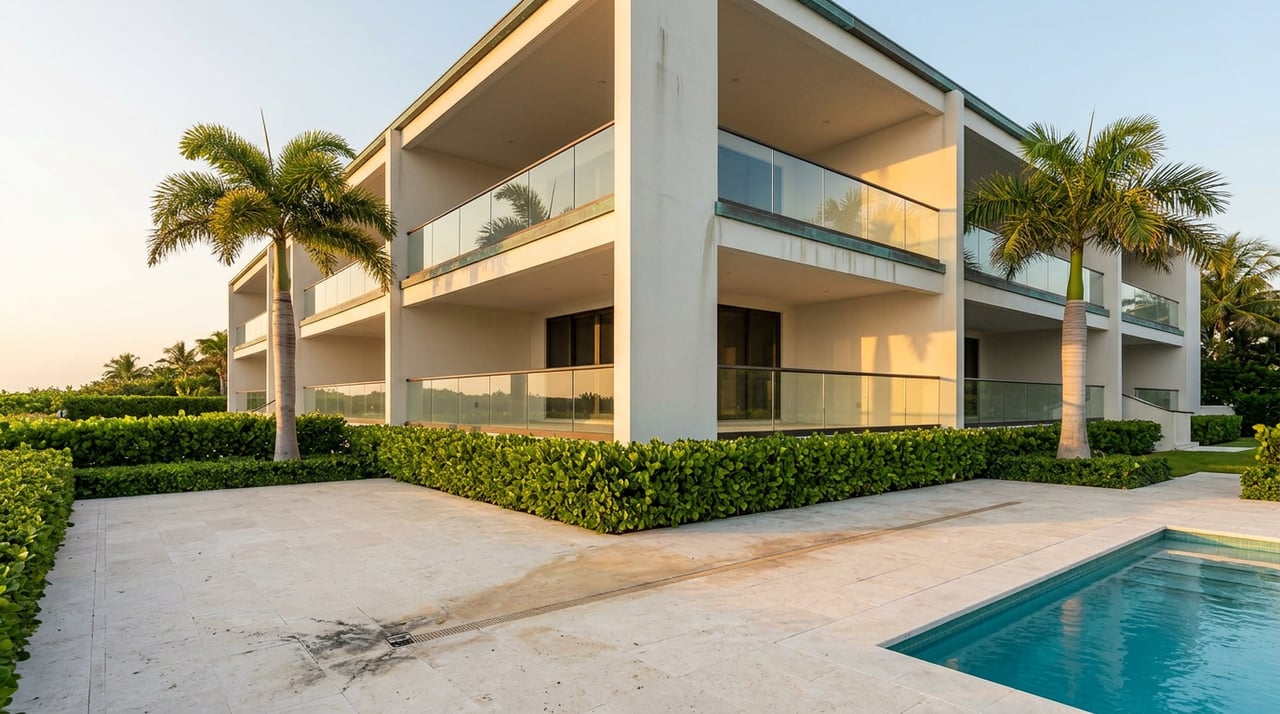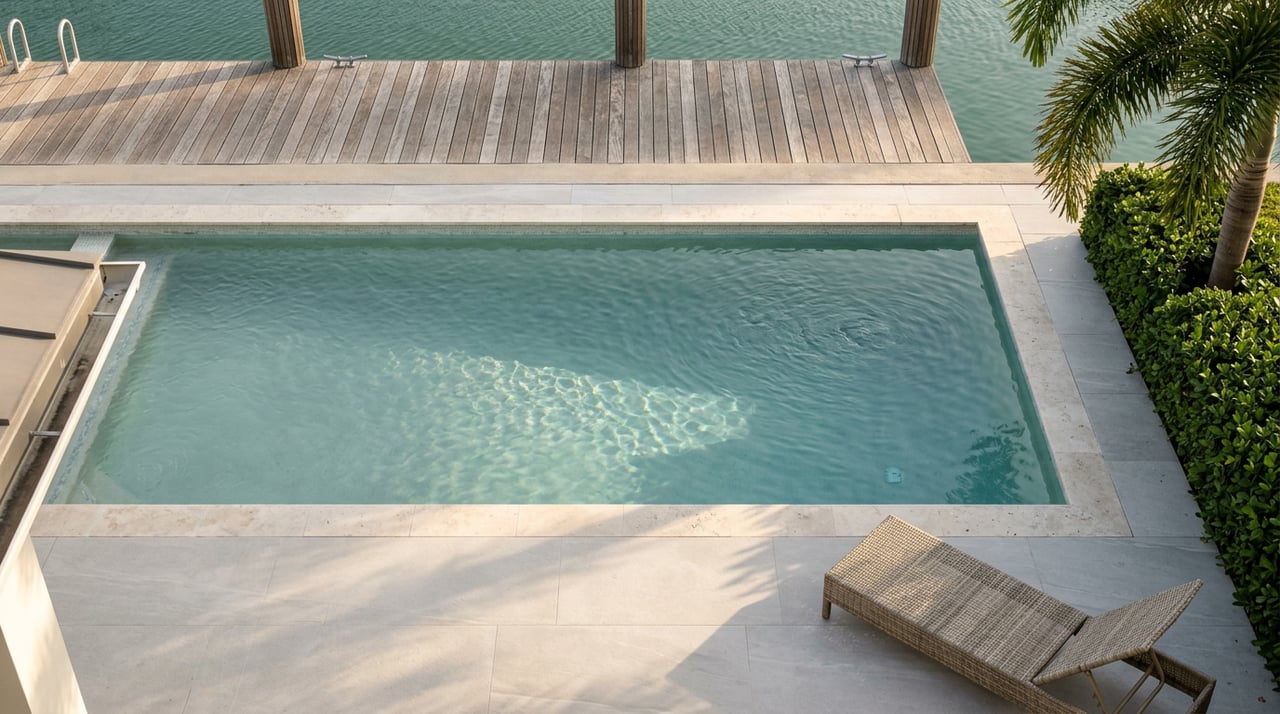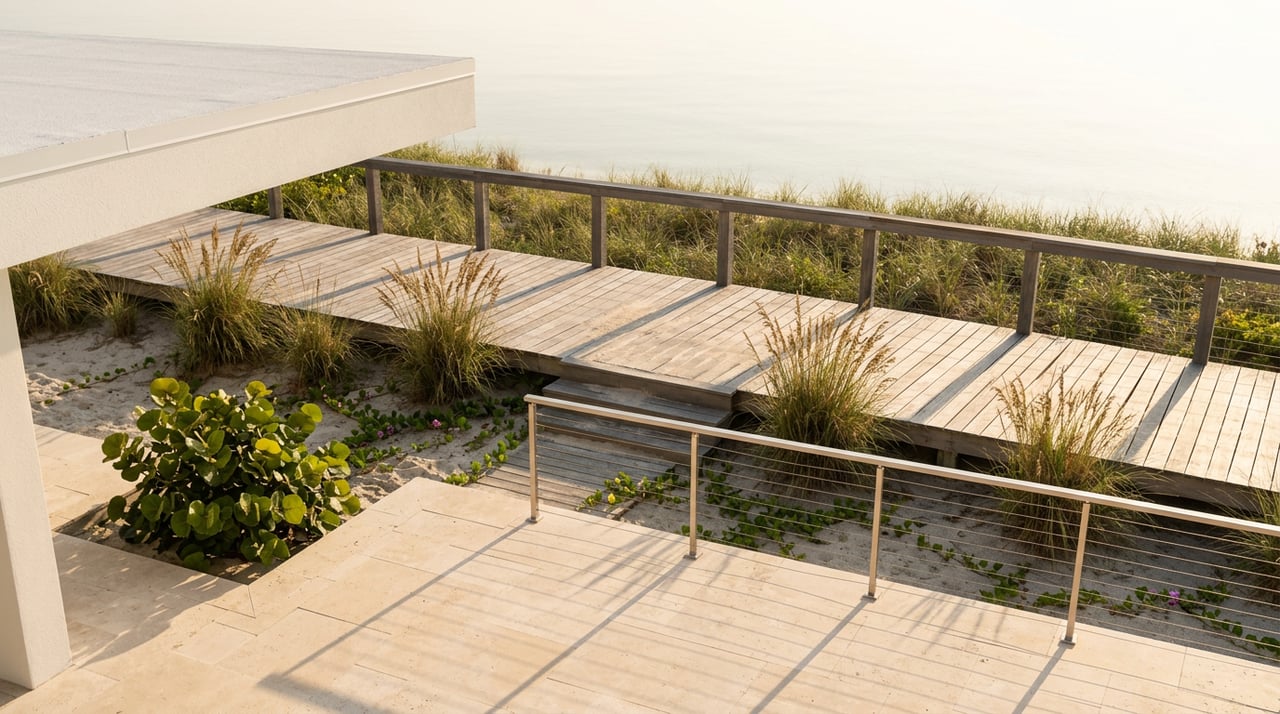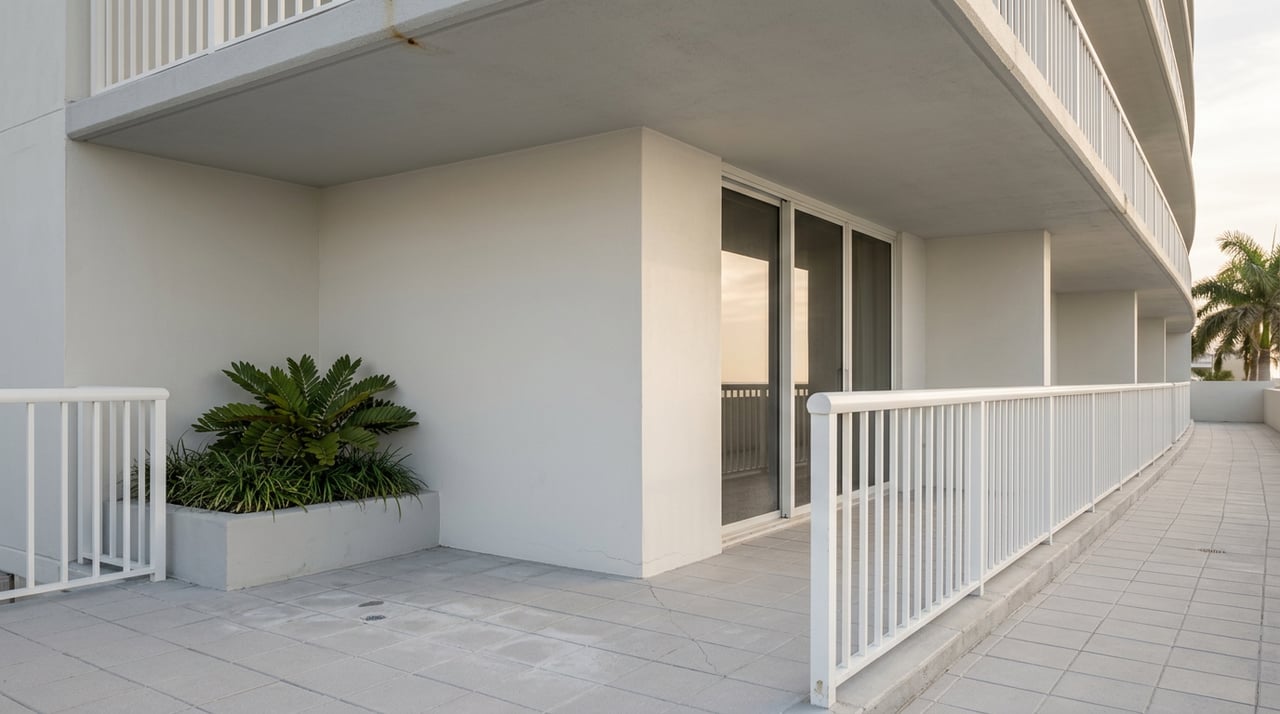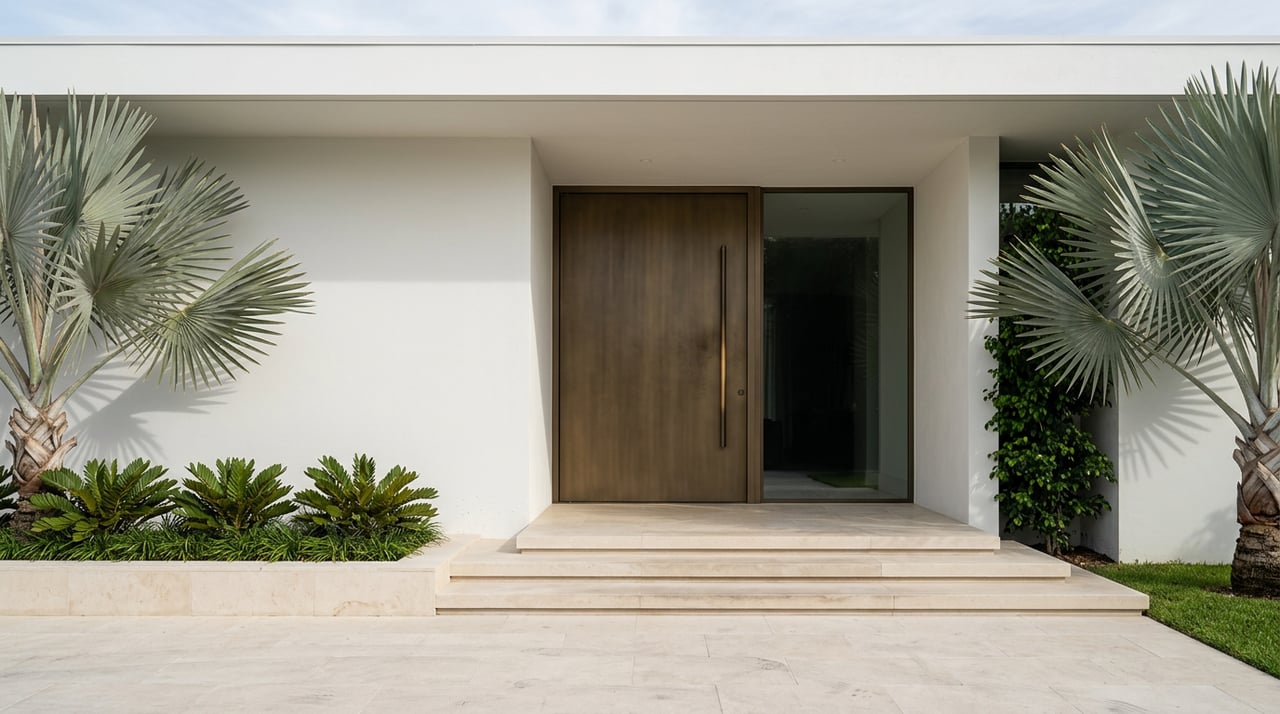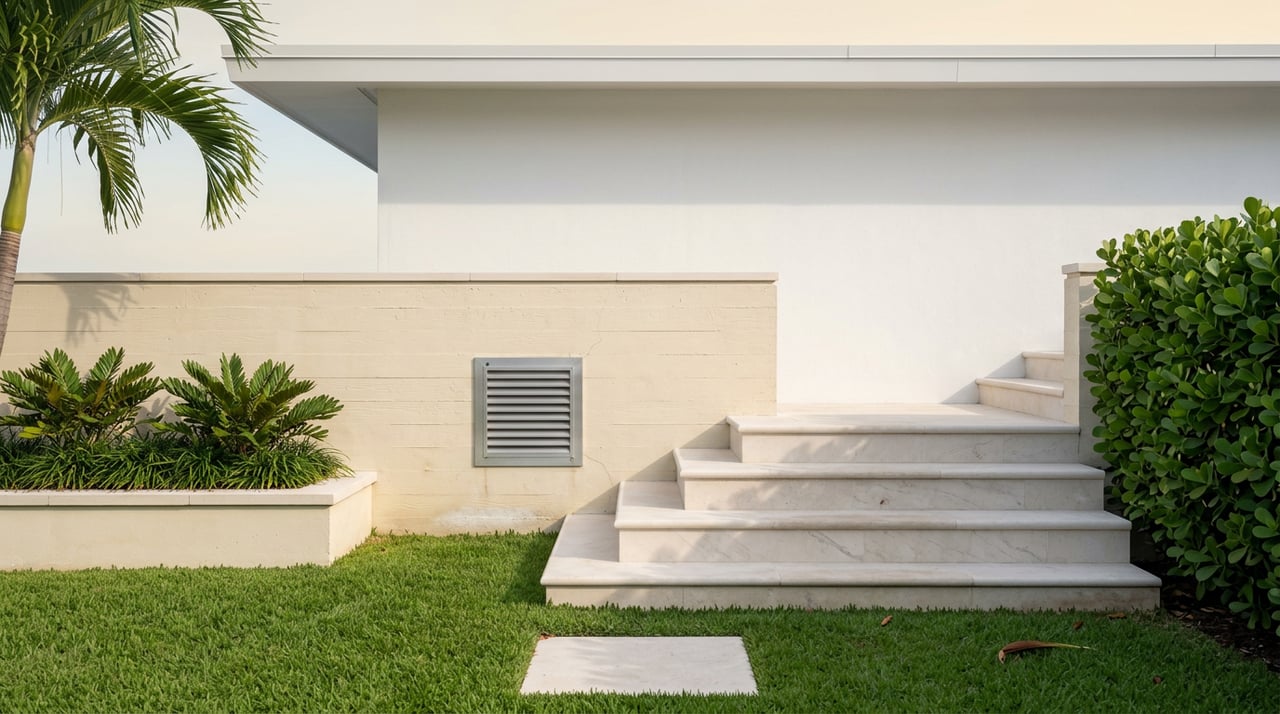
A buyer comparing two AE-zone homes on either side of Snell Isle right now can look at nearly identical medians, identical square footage, identical dock lengths, and walk away with two completely different assets. The gap is not in the listing sheet. It sits inside a single municipal ordinance, and it is currently the most consequential number in a St. Pete waterfront transaction.
The Number That Reprices Everything
City of St. Petersburg Floodplain Management Ordinance Section 3.4 defines Substantial Damage as any combination of repair or improvement whose cumulative cost equals or exceeds 49% of the pre-damage market value of the structure. Cross the line, and the home cannot simply be repaired. The entire building has to be raised to Base Flood Elevation plus one foot of Pinellas County freeboard, with flood-damage-resistant materials below BFE and compliant utilities throughout.
Two years after Helene and Milton, that clause is doing more to determine what a waterfront home is worth than the median, the mortgage rate, or the dock. A buyer who understands where a specific structure sits against its 49% threshold is buying a completely different asset than a buyer who does not.
How The Math Actually Works On A Real Parcel
The threshold is calculated on the structure only, land value excluded, and everything counts on the cost side: labor, materials, permit fees, architectural and engineering plans, contractor overhead, site prep, and demolition. Pinellas County uses a rolling 12-month lookback on cumulative permitted work. St. Pete Beach uses a five-year lookback, which quietly matters for anyone shopping the barrier islands.
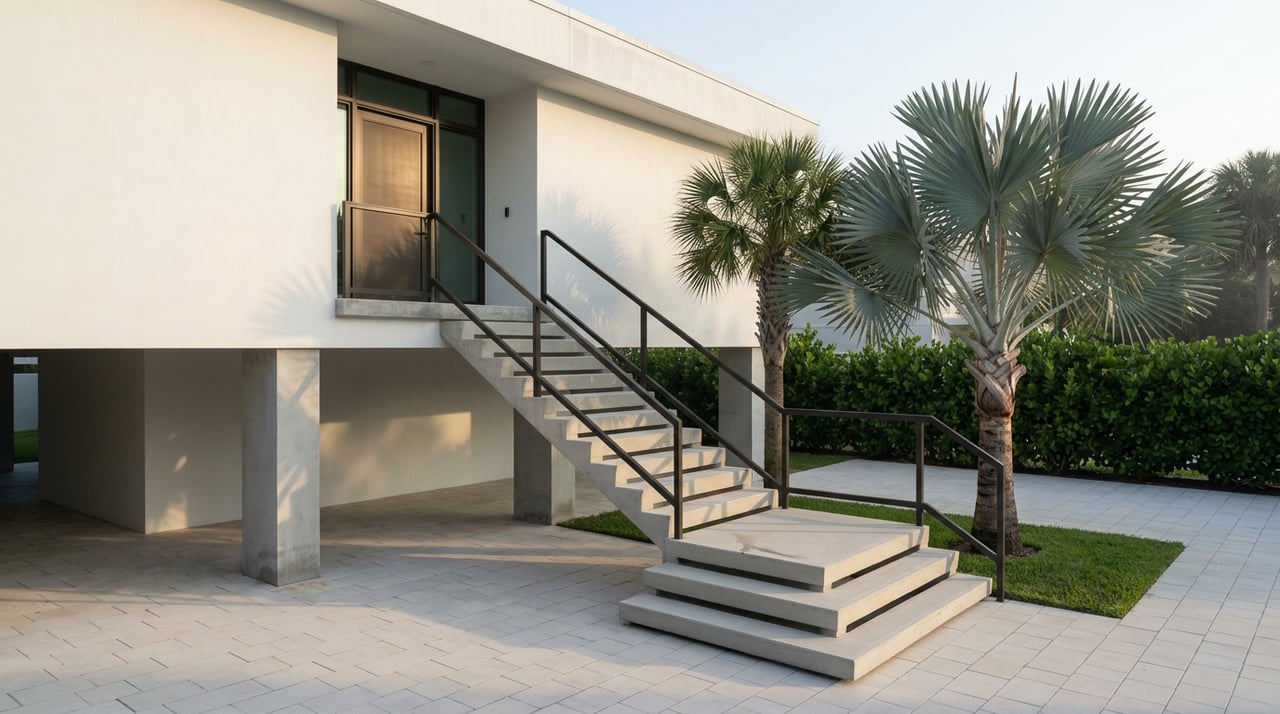
Consider a Shore Acres CBS ranch with a pre-improvement structure value of $300,000. The threshold sits at $147,000 under the city's 49% decrement. A buyer walks the property with a contractor, sketches a $180,000 scope covering kitchen, primary bath, and a modest rear addition. That project runs 60% of value. It triggers Substantial Improvement, which means the entire structure has to be raised to BFE plus freeboard. A structural lift alone runs $150 to $250 per square foot in this market, and a full elevation rebuild on a 2,000 to 3,000 square foot home typically lands at $600,000 to $1.2 million.
The $180,000 remodel becomes a $700,000 project the moment the pen touches the permit application. The listing price does not reflect that. The buyer inherits the constraint.
Before writing an offer on any AE or VE parcel, four inputs decide whether a listing is a house or a compliance project:
- The current structure value on the Pinellas County Property Appraiser's FEMA Letter, or a retrospective Actual Cash Value appraisal from a state-certified appraiser, which almost always produces a higher and more usable number
- The property's current elevation certificate, or the absence of one
- Any permits pulled on the parcel in the last 12 months (five years on St. Pete Beach)
- Whether the City of St. Petersburg has an open Code Enforcement case on the address
The Code Enforcement Case Almost Nobody Discloses
After the 2024 storms, the City of St. Petersburg opened a Code Enforcement case, distinct from a violation, on every property in the flood-zone footprint. Roughly 10,000 parcels. The case tracks whether the required permits were pulled. Pulling and closing the permit clears the case automatically. Homes that were not actually flood-impacted can have the case removed on request. Open cases create title-search problems at sale.
That is transaction-specific friction that only shows up when a title search runs, usually after the inspection period has closed and the buyer's leverage is spent. It is a real reason offers fall out in Shore Acres, Venetian Isles, and Coquina Key right now, and it is the single easiest thing to verify before writing an offer.
Reading Three Waterfront Neighborhoods Through The Threshold
Shore Acres is the AE-zone proving ground. Most of the footprint sits in AE, BFEs commonly run 8 to 10 feet NAVD88, and finished floors on the original 1950s to 1990s slab ranches sit well below current design flood elevation. That is why a Resilience Action Fund analysis of post-Milton resales found Shore Acres owners who sold in the five months after the storm averaged 35% below their original purchase, while inland Disston Heights sellers averaged a 25% gain in the same window. Shore Acres also has the strongest offsetting story, in the form of the roughly $32 million stormwater project the city approved additional funding for in early 2026, adding a permanent pump station with backup power, larger stormwater pipes, and backflow preventers. The infrastructure timeline is the reason the neighborhood is a contrarian buy for investors who can absorb the elevation math.
Snell Isle plays differently. BFEs cluster in the 10 to 12 foot range on waterfront parcels, more of the housing stock is masonry two-story from a later era, and structure values are high enough that the 49% threshold is genuinely reachable on a serious kitchen and primary suite scope without triggering compliance. A $1.4 million structure gives you $686,000 of room. That is why Snell Isle waterfront trades on a materially different underwriting than Shore Acres despite sharing the AE designation, and why the two neighborhoods are not comps.
Venetian Isles reads closer to Shore Acres than to Snell Isle. Canal-front peninsula, broad AE coverage, mid-century slab-on-grade stock sitting at or just above BFE. A buyer here should assume the next serious project is a lift-and-rebuild, not a remodel, and price the parcel accordingly.
What The Median Hides Right Now
Redfin's three-month trailing median for St. Petersburg through May 2026 was $478,000 on 35 days on the market. Zillow's ZHVI as of June 30, 2026 was $355,759. The two numbers are describing different markets sitting on top of each other. The higher figure reflects the mix shift toward drier, higher-elevation inventory and new construction on lots where a teardown already cleared the compliance question. The lower figure reflects the drag from AE parcels with unresolved elevation math. A buyer who reads only one of those numbers is reading half the market.
AE-zone flood premiums under FEMA Risk Rating 2.0 commonly land at $4,000 to $8,000 per year, with VE parcels along the open-coast exposure quoting above $12,000. On a 7% mortgage, a $6,000 annual premium capitalizes into roughly $75,000 to $90,000 of borrowing capacity that the buyer has to subtract from the offer to keep the total monthly stable. Sellers who priced against 2021 to 2023 comps are watching that math play out in reduced offers and longer days on market.
The Elevate Florida Timing Question
The state's Elevate Florida cycle, launched in 2025 in direct response to the Helene flood wave, targets exactly the AE and VE parcels this post has been describing, funding elevation, reconstruction, and in narrow cases acquisition and demolition. For a buyer looking at a Shore Acres, Venetian Isles, or Tierra Verde parcel, whether the seller has already applied, is on a waitlist, or has never engaged the program materially changes what the buyer is inheriting. A parcel with an active Elevate Florida application in the pipeline is a different asset than the identical parcel next door without one. Ask.
Florida's flood disclosure statute, HB 1049, now requires sellers to share known flood history, which raises the floor on what a buyer can expect on the seller's side of the table. It does not raise the ceiling. The buyer still has to pull the elevation certificate, confirm the Code Enforcement case status, price the 49% headroom, and stress-test the insurance quote before waiving contingencies.
FAQ
Is the 49% rule the same as the 50% rule? Federally the threshold is 50%. The City of St. Petersburg applies a 49% municipal decrement, which is stricter. St. Pete Beach uses a five-year rolling accumulation window instead of Pinellas County's 12 months.
Does storm damage count toward the same threshold as voluntary renovation? Yes. If a home has been declared substantially damaged, any subsequent repairs are treated as substantial improvement regardless of the work performed. The rolling window begins on the date the first permit is issued.
Can a home in a designated historic district be exempted? Structures listed on the National Register of Historic Places or designated as local historic landmarks may qualify for a narrow exemption, with written approval from the Florida Division of Historic Resources. It is not a workaround; it is a documented state process.
Does an elevation certificate expire? The certificate itself does not expire, but a certificate predating the current FIRM panel effective date or predating a structural change to the building is not usable for current underwriting. Confirm the certificate matches the current improvements before relying on the flood quote it supports.
If you are shopping a St. Pete waterfront parcel this quarter, the sticker price is the least interesting number on the listing. Naples Coastal Living runs the 49% math, the Code Enforcement check, and the elevation certificate review before an offer is written, not after inspection. Request a Private Market Update to see the parcels we are tracking in Shore Acres, Snell Isle, Venetian Isles, and Coquina Key right now.