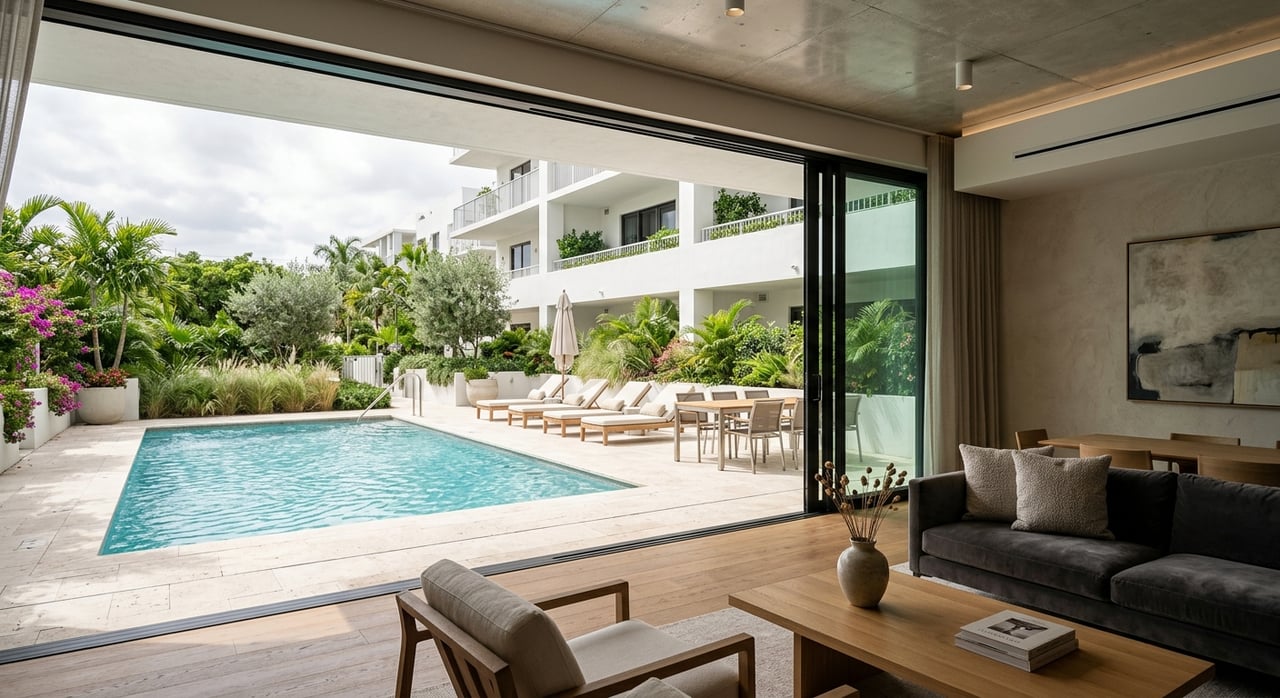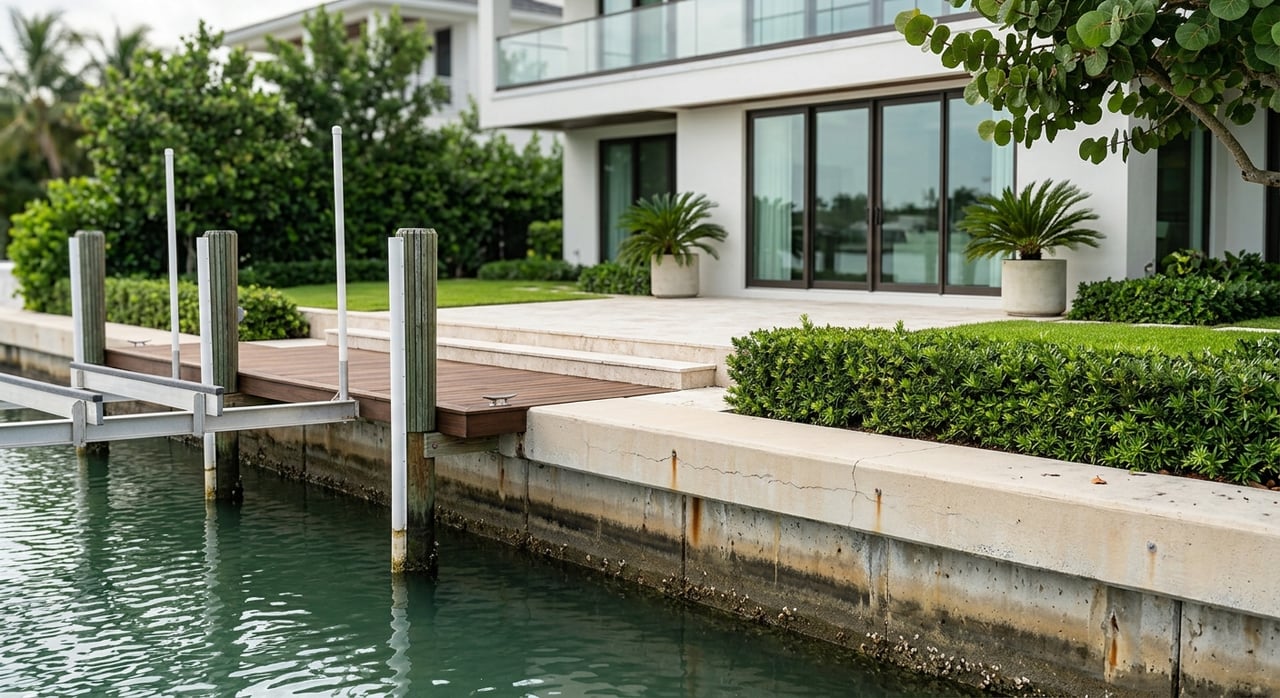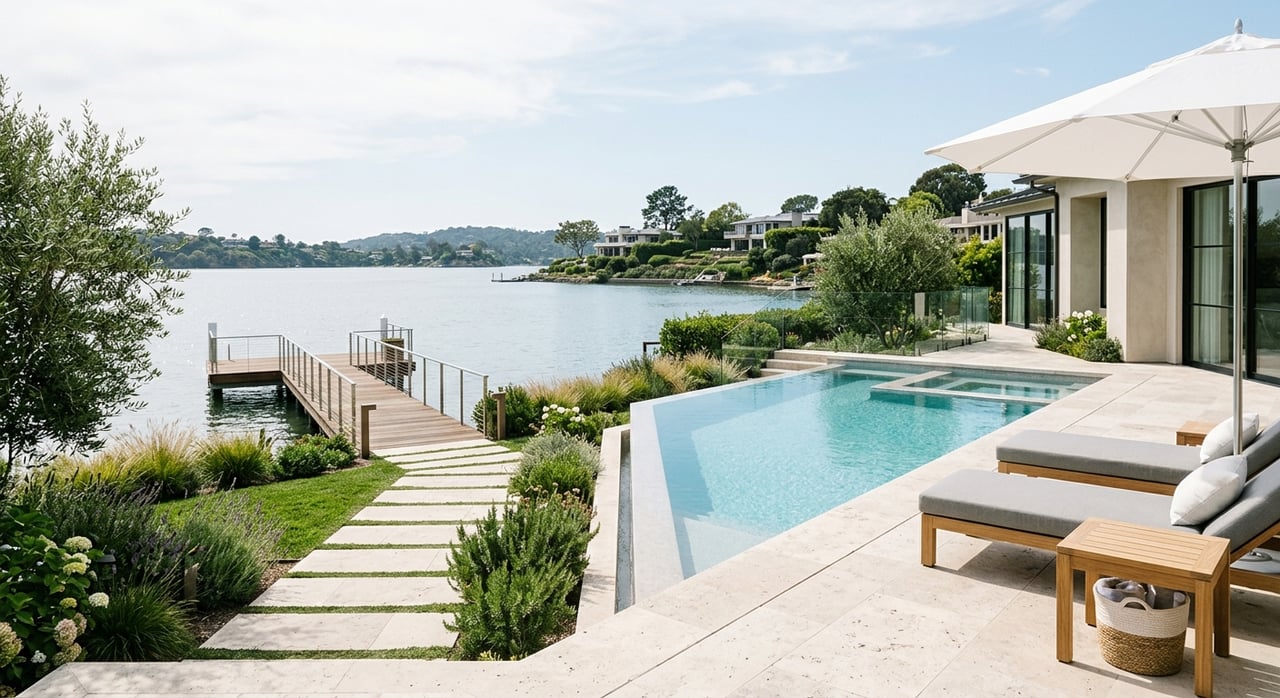
If you picture your Naples lifestyle with a boat in the water and the Gulf within reach, The Moorings and Park Shore are likely already on your radar. Both neighborhoods offer a polished coastal setting, private beach access opportunities, and strong waterfront appeal, but they do not deliver the same boating experience from property to property. If you are comparing the two, the smartest move is to look past the neighborhood name and focus on slips, dock rights, bridge clearance, and your actual route to Doctors Pass. Let’s dive in.
Why boaters consider both neighborhoods
The Moorings and Park Shore sit side by side in central Naples and both combine waterfront living with a private-club feel. The Moorings spans roughly 1,300 acres with about 4,000 homes and condominiums, while Park Shore includes more than 600 single-family homes and 3,590 condominium units across its platted sections west of US 41, according to the Moorings Property Owners Association and Park Shore materials referenced in the research.
For many buyers, the draw is simple: you can pair boating access with beach access in one of Naples’ most established coastal settings. Moorings property owners may join the Moorings Property Owners Association for beach-park parking privileges and neighborhood benefits, while Park Shore Association operates a 2.7-acre private beachfront park for members.
How boating access really works
The biggest thing to understand is that these neighborhoods are not public-launch boating markets. The City of Naples explains that Moorings Bay has no public boat ramps, and Doctors Pass is the only inlet connecting the bay to the Gulf of Mexico.
That shapes the entire ownership experience. In practical terms, boating here is mostly about having a private dock, a deeded or assigned slip, or reliable marina access nearby.
The Moorings access pattern
In The Moorings, boating tends to be highly property-specific. Some homes and condos have direct water frontage and private dock potential, but what you can build or use depends on local code, lot conditions, and permitting.
The city’s waterway rules regulate things like pier width, setbacks, lift placement, and how far structures can project into the water. That means a private dock in Naples is usually a carefully controlled structure, not an open-ended waterfront build.
Park Shore access pattern
Park Shore has a more marina-centered boating identity. The Park Shore Association points residents toward Naples Marina at the Village Shops on Venetian Bay as a launch point, and that location is a major part of the neighborhood’s appeal for owners who want easier access to services.
Based on the research report, the marina experience there may include rentals, memberships, fuel, bait, parking, and daily operating hours. For some buyers, that setup is more convenient than maintaining a private dock.
Doctors Pass is the key route
Whether you buy in The Moorings or Park Shore, your boating route usually revolves around Doctors Pass. Since it is the only inlet connecting Moorings Bay to the Gulf, your day on the water depends on how easily your specific property or slip reaches that pass.
The city also maintains a Moorings Bay Special Taxing District to support water quality, navigability, and maintenance dredging in the waterways, including Doctors Pass. That is helpful context if you are buying for long-term usability rather than just views.
Why bridge clearance matters so much
For many boaters, bridge height is the detail that can make or break a purchase. Published neighborhood guides commonly cite approximate high-tide clearances of about 18 feet at Park Shore Drive, about 12.26 feet at Harbor Drive, and about 10 feet at Mooring Line Drive, with the City of Naples also identifying Harbour Drive and Mooring Line Drive as bridges with vertical clearance under 25 feet or horizontal clearance under 100 feet.
The key point is not the exact number on a website. The key point is that clearances can vary with tide and water level, so a taller boat should never be assumed to fit based on neighborhood marketing alone.
Best boat profiles for these routes
Because of those clearance limits, these neighborhoods often work best for:
- Lower-profile center consoles
- Smaller cruisers
- Day boats
- Boats with air draft that comfortably fits the route at expected tide levels
Taller express cruisers, larger offshore boats, and flybridge models need extra caution. If your boat sits close to the clearance threshold, verify the route with current bridge gauges, charts, and tide information before you move forward.
Park Shore slip rules buyers should review
Park Shore can be attractive for buyers who want on-site or nearby slip access, but the rules matter. A city planned development document referenced in the research notes 230 boat slips in the Venetian Bay-related development area, and the residential docking section includes several operational limits.
Those rules include resident-use restrictions, the ability for slips to be owned or leased, a minimum three-month lease term, no subleases, no overnight lodging on boats, and no commercial fishing operations. There is also a separate commercial dock and fuel-dock component at Block 17, which adds to the marina-oriented nature of the area.
Membership and slip ownership are not the same
One important detail in the Park Shore Association bylaws is that boat docks are not considered residential property for membership purposes. Active membership is tied to ownership within the platted Park Shore units.
That means you should not assume a boat slip automatically gives you the same rights or benefits as owning a residence within the neighborhood. If boating access is central to your purchase, that distinction deserves careful document review.
The Moorings dock reality
The Moorings is often appealing to buyers who want a more direct waterfront ownership story. Still, the experience varies by parcel, and waterfront rights are not one-size-fits-all.
Your usable setup may depend on canal dimensions, dock placement limits, lift configuration, and the path from your property to open water. A beautiful waterfront address does not automatically mean a seamless fit for your boat.
Questions every boating buyer should ask
If you are shopping in either neighborhood, a smart search starts with boating due diligence before aesthetics. The research report makes clear that the actual experience is driven more by the parcel and governing documents than by the neighborhood label.
Use this checklist early in the process:
- Does the property include a deeded slip, assigned slip, or only nearby marina access?
- Is the slip owned, leased, or shared?
- Who handles and pays for dock maintenance and insurance?
- Are there boat-length limits or other size restrictions?
- Are there minimum lease terms or use restrictions in the condo or HOA documents?
- What is the exact route to Doctors Pass?
- Will your boat clear every bridge on that route under expected tide conditions?
These questions can save you time and help you avoid buying a property that looks right on paper but does not work on the water.
Backup dockage options in Naples
If a private slip is unavailable, central Naples can still work well for some boaters. The Naples City Dock on Naples Bay is the city’s 84-slip marina and offers fuel service along with marina amenities.
There is also Naples Yacht Club on Naples Bay, a private club with marina facilities and limited reciprocal-slip access for member clubs in the Florida Council of Yacht Clubs. These are not neighborhood-specific amenities, but they can be useful when guest dockage or temporary alternatives matter.
Which neighborhood may fit your boating style
The answer often comes down to how you use your boat. If you want a highly specific waterfront property with potential private dock access and you are comfortable evaluating parcel-level details, The Moorings may be a strong fit.
If you prefer a marina-oriented setup with structured docking rules and a polished condo or mixed waterfront lifestyle, Park Shore may feel more straightforward. In either case, your ideal match depends on your boat’s height, your preferred launch routine, and how much control you want over dockage.
A research-first way to buy here
In The Moorings and Park Shore, boating value is hidden in the details. The best opportunities often come from understanding municipal rules, association documents, bridge constraints, and property-specific access before you write an offer.
That is where a research-driven search can protect both your lifestyle and your investment. If you want help evaluating waterfront options, slip structure, and boating practicality in central Naples, connect with Amanda Van Slyke for a tailored search strategy.
FAQs
What makes boating different in The Moorings and Park Shore?
- The biggest difference is how access is tied to the specific property, slip rights, marina options, and the route to Doctors Pass rather than the neighborhood name alone.
Does The Moorings have a public boat ramp?
- No. The City of Naples states that Moorings Bay has no public boat ramps, so access is generally through private docks or marina arrangements.
Can you own or lease a boat slip in Park Shore?
- Park Shore documents referenced in the research indicate that slips may be owned or leased, but they are subject to rules such as resident use requirements, minimum lease terms, and no subleasing.
Are bridge clearances important for Park Shore and The Moorings boaters?
- Yes. Bridge clearance is one of the most important practical issues, especially for taller boats, and should be verified with current gauges, charts, and tide conditions before buying.
Does owning a boat slip in Park Shore include association membership rights?
- Not necessarily. Park Shore bylaws state that boat docks are not considered residential property for membership purposes, and active membership is tied to owning within the platted Park Shore units.
What should you verify before buying a boating property in The Moorings or Park Shore?
- You should confirm whether the property includes a deeded or assigned slip, review ownership and lease terms, understand maintenance obligations, and verify your exact route and bridge clearance to Doctors Pass.