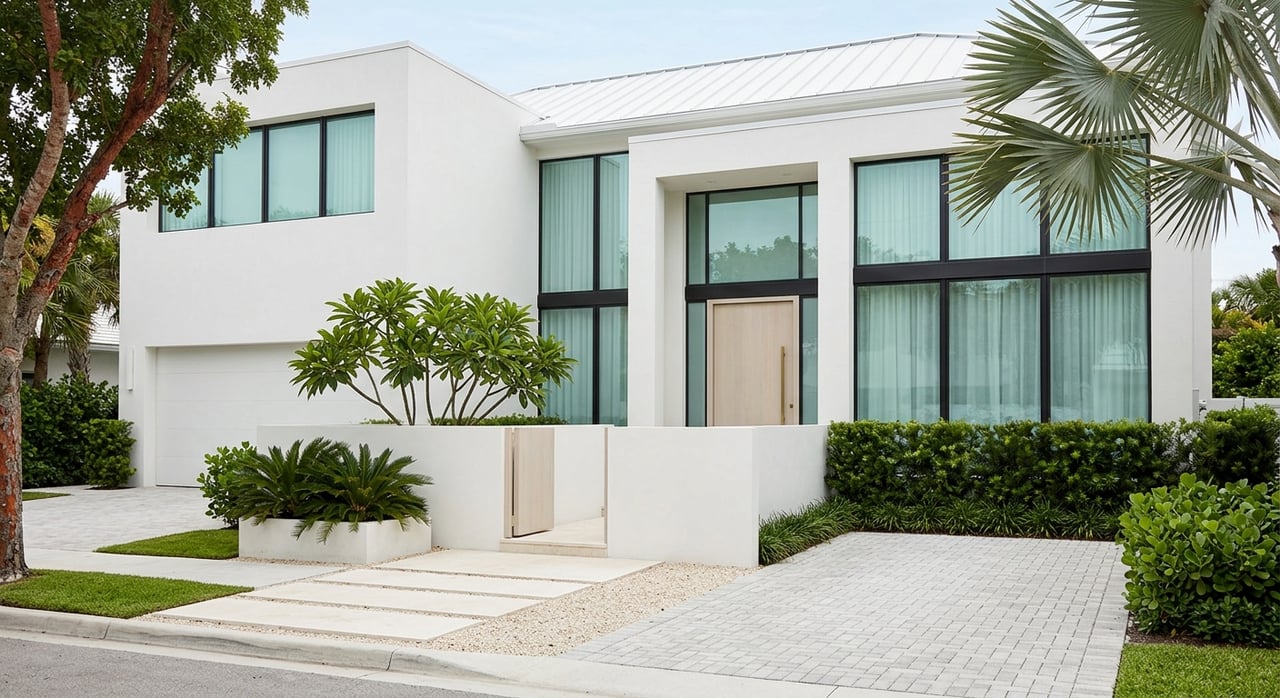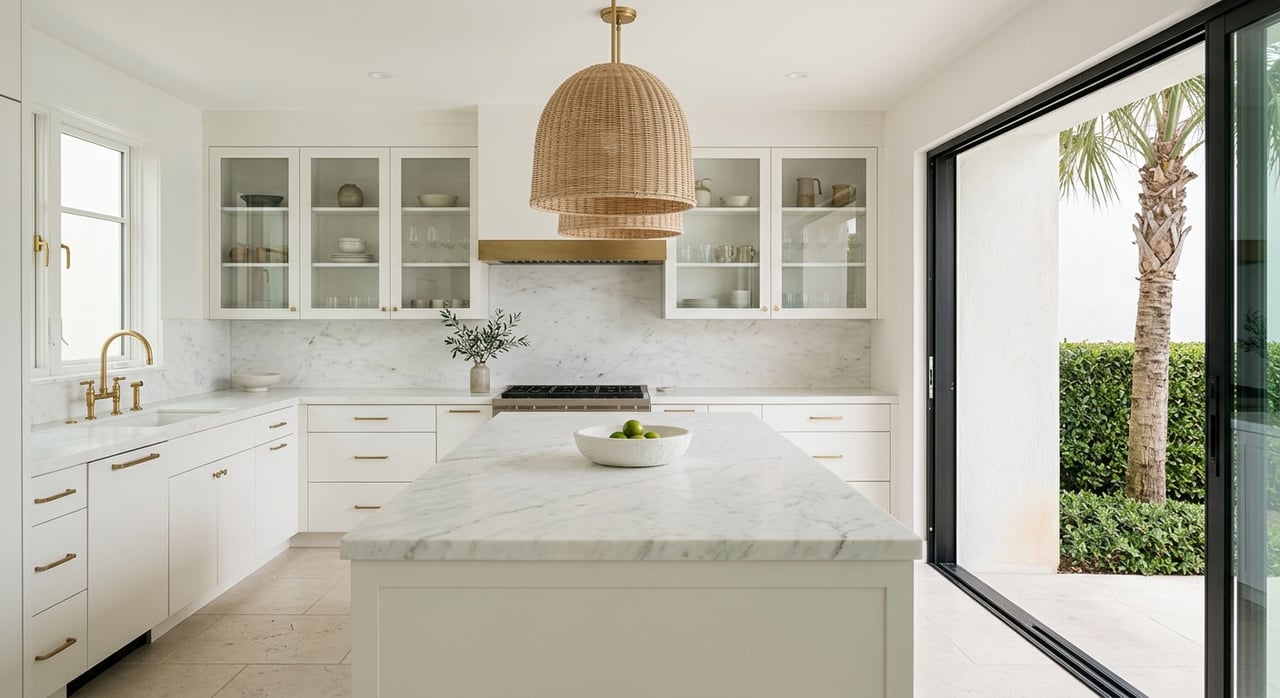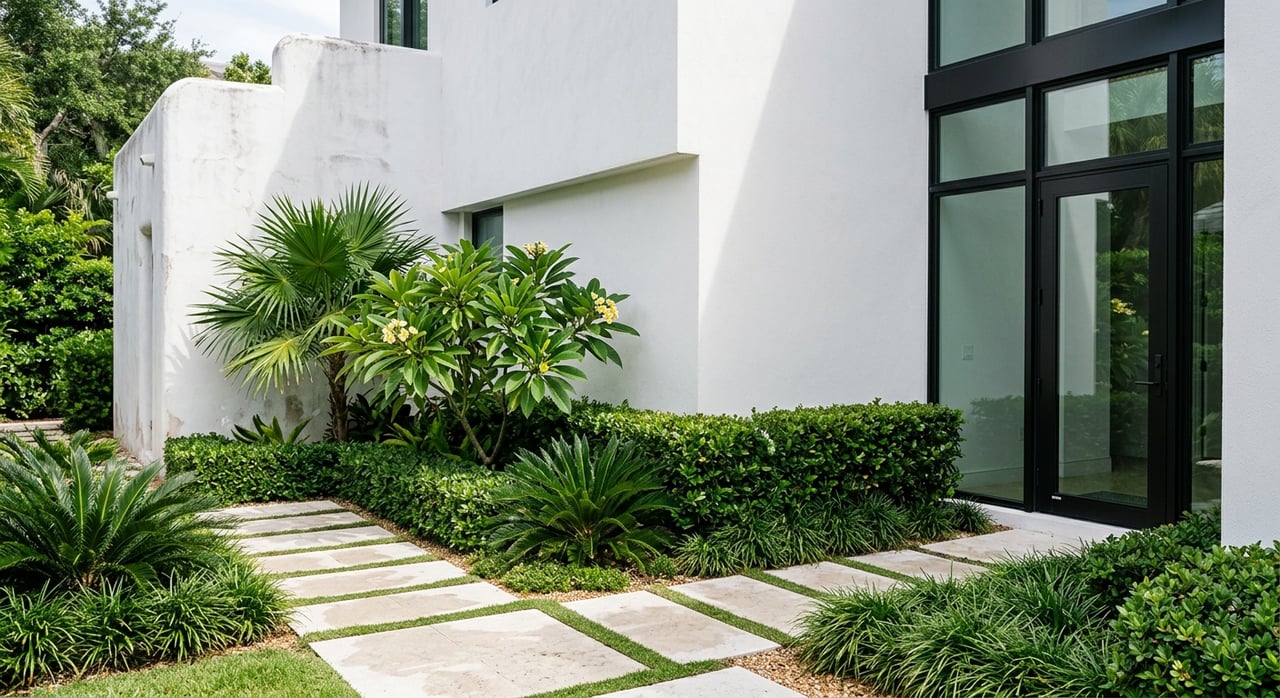
If you own or are considering a property in Olde Naples, the teardown-versus-renovation question can feel simple at first and expensive later. In this neighborhood, the right answer often turns on flood rules, historic status, zoning, and end value just as much as design preference. A house that looks like a clear fixer may be worth preserving, while a dated home on a strong lot may support a better outcome as a rebuild. This framework will help you evaluate the decision with more clarity before you commit. Let’s dive in.
Why this decision is different in Olde Naples
Olde Naples is not a one-size-fits-all neighborhood. The City of Naples describes it as the city’s oldest coastal neighborhood, with many original homes dating to near the turn of the century alongside newer homes.
That mix matters because two homes on the same street can have very different paths. One may fall within a preservation-sensitive context, while the other may be a more straightforward teardown candidate.
The city also notes that many historic assets are worth protecting because of their materials and workmanship. In practical terms, that means your decision should start with what the property is, not just what you want it to become.
Start with the three-part test
In Olde Naples, the smartest analysis is usually a three-way test: land value, compliance burden, and achievable end value. If you skip any one of those, your budget and timeline can drift quickly.
Land value tells you what the lot is worth even without the current structure. Compliance burden tells you how much floodplain, historic, permit, and zoning issues may affect your project. Achievable end value tells you what the finished property is likely to command if you hold, refinance, or sell.
When those three factors line up, the decision gets easier. When they conflict, you need a tighter model before moving forward.
Flood rules can change the math fast
In Olde Naples, floodplain rules are often the hidden variable that changes a renovation budget. The City of Naples states that almost all permitted development requires floodplain review, and Special Flood Hazard Areas are in Zones V or A.
The city also uses a 50% threshold for substantial improvement and substantial damage. If your project crosses that line, the structure must be brought into compliance with flood regulations, including elevation to or above base flood elevation.
This is where many owners get surprised. The city bases that threshold on the assessed structure value from the Collier County Property Appraiser, not the land value.
That distinction matters in Olde Naples because land can carry a very high share of total value. A valuable lot does not shield a renovation from flood-compliance triggers.
Another important point is that residential floodproofing below base flood elevation is not permitted. If the project scope pushes you over the threshold, you may be looking at a much more substantial intervention than expected.
When flood exposure favors renovation
Renovation tends to make more sense when the planned work can stay below the substantial-improvement threshold and the existing shell remains usable. If the floor plan works and the elevation issue is manageable, you may preserve value without absorbing the cost and complexity of a full rebuild.
That said, this only works if your scope is realistic. Cosmetic plans often become structural plans once walls are opened.
When flood exposure favors teardown
A teardown can become the better option when keeping the house pushes you close to rebuild-level compliance costs anyway. If the structure is obsolete, compromised, or difficult to elevate in a cost-effective way, starting over may create a cleaner path to the product you actually want.
Historic status can tilt the decision
Historic status is one of the biggest swing factors in Olde Naples. City code ties the local historic district to the National Register district in southwestern Naples, and that district carries a period of significance from 1875 to 1949.
That does not mean every older house should be preserved. It does mean you need to verify whether the property is inside the district, already designated, or potentially eligible before deciding on demolition or major exterior work.
The city’s rehabilitation guidance draws a practical line here. Interior-only improvements that do not affect the exterior may avoid State Historic Preservation Office review, while exterior renovations, additions, and demolition require that review path.
The city also states that the applicant must first submit the project to the Florida State Historic Preservation Office, and all work must be reviewed and approved before the city issues a building permit. If a building is outside the district or not already designated, eligibility may need to be established first.
Why historic recognition may support renovation
Historic recognition can make renovation more attractive because city code provides an important flood-related exception. Historic buildings in flood hazard areas are not subject to substantial-improvement or substantial-damage requirements if approval conditions are met.
That can materially change the budget and scope decision. In the right case, a preservation-minded renovation may avoid compliance costs that would otherwise push the project toward a teardown.
Why historic review may slow demolition
If your plan is to remove the structure, historic review can add time and process. That does not automatically make demolition the wrong call, but it does mean you should verify status and approval path before assuming speed or certainty.
Zoning should be checked before any spreadsheet
Before you model costs, confirm what the lot actually allows. The Planning Department says zoning designations can be checked through the city zoning map, and zoning letters are available for a fee.
The city also requires a pre-application meeting before development review is officially accepted. That means if your decision depends on building a different home, expanding the envelope, or materially changing the site, you should not rely on assumptions.
Single-family zoning districts are not subject to design review by the Design Review Board, according to the city. Even so, permits are still required for construction, enlargement, alteration, repair, moving, demolition, and many system changes.
Build your analysis in three value buckets
A strong Olde Naples decision model separates the property into three buckets:
- Land-only value
- As-is improved value
- Finished-product value
This approach helps you see whether the current structure contributes enough value to justify saving it. It also helps you avoid confusing a great lot with a great renovation candidate.
1. Land-only value
Land-only value helps answer a simple question: if the structure did not exist, what would the lot support in today’s market? This is especially useful when the existing home is functionally obsolete or when the location is the main source of value.
The Collier County Property Appraiser notes that vacant residential land is valued using median lot-sales data. That makes lot analysis a critical starting point in a neighborhood where land can drive the deal.
2. As-is improved value
As-is improved value tells you what the current house is worth in its present condition. This is the number that matters if you are considering a lighter renovation, holding period, or a resale without major redevelopment.
It also gives you a benchmark for measuring whether a large construction budget is truly adding value or only catching up to market expectations.
3. Finished-product value
Finished-product value is what the property may be worth after a renovation or new build is complete. For this step, use recent sales that match the property’s micro-location, flood exposure, and historic status as closely as possible.
Public neighborhood-wide pricing can help you understand direction, but not your specific exit. Current snapshots from Zillow, Realtor.com, and Redfin all suggest a softer, more negotiable market in Olde Naples, even though their exact pricing figures differ.
That difference is useful in its own way. It suggests you should use one comp source consistently for your model, then sanity-check directionally against another source rather than blending them together.
What today’s market suggests
Olde Naples appears more negotiable than it was at peak conditions. As of March 2026, Zillow reports 237 homes for sale, a median sale price of $1,160,500, and 50 days to pending, while Realtor.com reports 386 homes for sale, a median listing price of $1.695 million, 88 median days on market, and a 95% sale-to-list ratio. Redfin reports a $1.5 million median sale price with 52 days on market.
The exact headline varies by platform and methodology. Still, the consistent takeaway is that buyers have more leverage than they did in the hottest phase of the market.
For owners and investors, that means your margin for error may be thinner. A teardown or major renovation needs to be underwritten with disciplined comps and realistic timelines.
Records to pull before you decide
Before you choose renovation or demolition, gather the facts that most often change the answer:
- Parcel zoning and any overlay districts through the city zoning map
- Flood zone, elevation certificate, and substantial-improvement exposure through the city’s floodplain resources
- Historic eligibility and required review path through the city’s historic preservation process
- Permit and official-record history through the city permit portal, the clerk’s records, and the property appraiser
- Recent land, as-is, and finished-product comps from one consistent source, then cross-check against a second source
The Collier County Property Appraiser system supports searches by address, parcel ID, subdivision, and sales year. The clerk’s official records also allow you to review older property history, which can help reveal prior additions, title issues, or permit-related clues that affect your strategy.
A practical framework for owners and buyers
If you want a clean working framework, use these five questions.
Is the home historic or potentially historic?
This is often the first fork in the road. If historic status applies, renovation may carry benefits and demolition may require a more involved approval path.
Will your project cross the 50% threshold?
Because the city’s test is based on structure value rather than land value, this question can reshape the budget quickly. A renovation that looks modest on paper may trigger full flood-compliance requirements.
Does the current shell still make sense?
If the layout, structure, and elevation can support your goals, renovation may preserve value and time. If the house is functionally obsolete or structurally compromised, teardown may be the cleaner answer.
What can the lot support under zoning?
Do not assume the lot will support the home you want to build. Verify zoning and required process before assigning a premium exit value to a future product.
What is the real exit value?
In a softer market, the wrong exit assumption can erase your cushion. Underwrite the finished value from close local comps that mirror the property’s location and constraints.
When renovation usually wins
Renovation often wins in Olde Naples when the house has usable bones, the compliance path is manageable, and the finished product does not need to be radically different from what exists today. It can also win when historic status supports preservation and creates meaningful relief on flood-related thresholds.
This path tends to reward owners who value craftsmanship, location, and a more measured scope. It also works best when the budget stays comfortably below the cost of replacing the home from the ground up.
When teardown usually wins
Teardown often wins when the lot can support a substantially better end product, the existing structure no longer fits today’s expectations, or the cost of preserving it approaches rebuild territory. It can also make sense when prior alterations, damage, or design limitations leave too little value in the current shell.
In those cases, the land may be the true asset. Your goal is then to confirm the zoning path, compliance costs, and likely finished value before moving forward.
If you are weighing teardown versus renovation in Olde Naples, the smartest next step is not guessing. It is building the decision around municipal rules, property records, and real comps so you can move with confidence. For a research-driven review of your property, your lot’s highest-and-best-use, or current private-market opportunities, connect with Amanda Van Slyke.
FAQs
How do flood rules affect a renovation in Olde Naples?
- In Olde Naples, the City of Naples says almost all permitted development requires floodplain review, and projects that cross the 50% substantial-improvement threshold may need the structure brought into compliance, including elevation to or above base flood elevation.
How is the 50% substantial-improvement threshold calculated in Naples?
- The City of Naples bases the threshold on the Collier County Property Appraiser’s assessed structure value only, excluding land, pool or spa, and other nonpermanent items.
Can historic status change the teardown-or-renovate decision in Olde Naples?
- Yes. If a property qualifies as a historic building and the required approvals are met, city code says it may not be subject to substantial-improvement or substantial-damage requirements in flood hazard areas, which can make renovation more attractive.
Do you need historic review for demolition in Olde Naples?
- Yes, if the property is on the applicable historic path. The city’s rehabilitation guidance says exterior renovations, additions, and demolition require review through the Florida State Historic Preservation Office before a city permit is issued.
Should you check zoning before planning a teardown in Olde Naples?
- Yes. The City of Naples says zoning should be verified by address through the zoning map, and a pre-application meeting is required before development review is officially accepted.
What comps matter most for an Olde Naples teardown analysis?
- The most useful comp set separates land-only sales, as-is improved sales, and finished-product sales, then compares properties with similar micro-location, flood exposure, and historic status.
Is Olde Naples currently a buyer’s or seller’s market?
- Public March 2026 snapshots from Zillow, Realtor.com, and Redfin point to a softer, more negotiable market, though the exact pricing and inventory figures vary by platform.
What records should you pull before deciding to renovate or tear down in Olde Naples?
- Start with zoning, flood-zone and elevation information, historic eligibility, permit history, official records, and a focused comp set built from recent local sales.