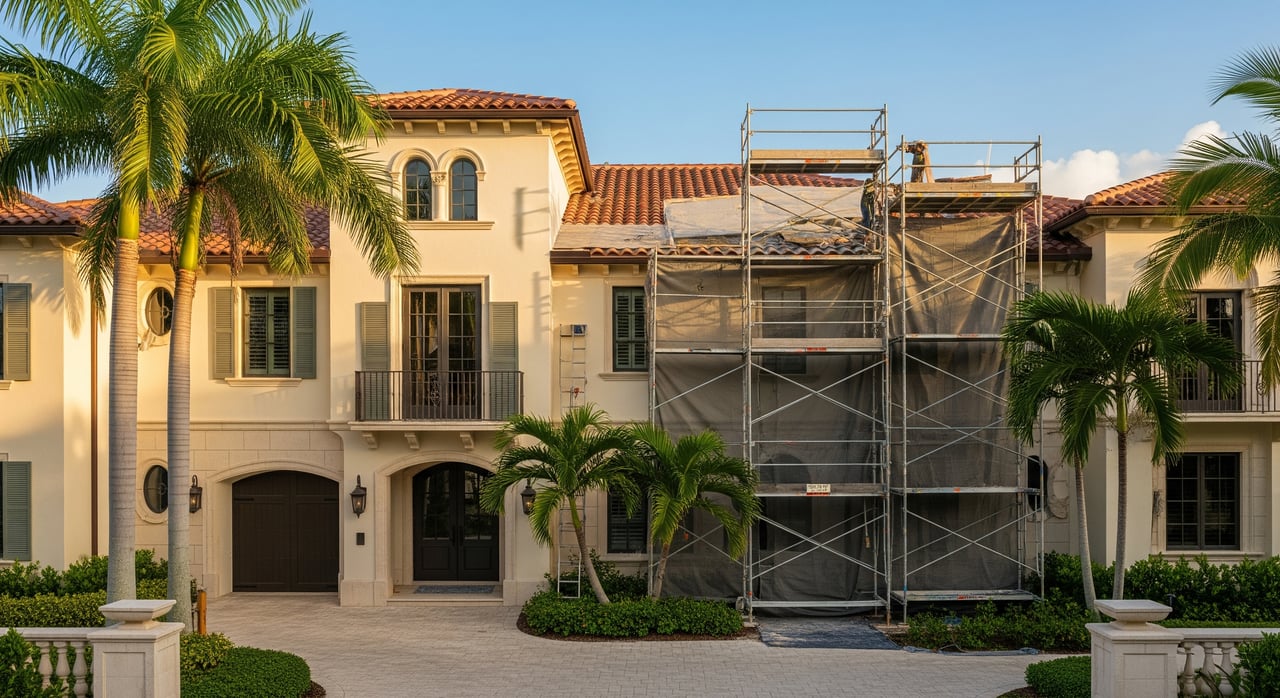
If your Moorings or Park Shore building is under active repair, you may be wondering if a refinance is even possible. You are not alone. Many coastal condos in Collier County face concrete, balcony, roof, or mechanical projects that can complicate lending. In this guide, you will learn which loan programs may work, what documents lenders want, and timing strategies tailored to Naples coastal condos. Let’s dive in.
How lenders view active repairs
When you refinance a condo, the lender underwrites both you and the association. Ongoing structural or mechanical work can signal a “project impairment,” which raises questions about safety, insurability, funding, and marketability. Different programs treat this risk differently, and your path forward depends on scope, funding, and habitability.
Lenders look for proof that the project is well-defined, properly permitted, and fully funded, and that your unit remains safe to occupy. Clear documentation often makes the difference between a decline and an approval.
Program-by-program options
Conventional: Fannie Mae and Freddie Mac
Conventional loans can be possible if you show that repairs are funded and on track. Lenders will want the repair scope, contractor contracts, funding sources such as insurance proceeds, reserves, or a collectible special assessment, and an estimated completion date. If funding is uncertain or the scope is large and unresolved, expect agency lenders to pause and suggest a portfolio solution instead.
FHA
FHA takes a conservative view of active, material structural work. Projects with unresolved safety issues, significant construction affecting habitability, or shaky financials are typically ineligible until the work is complete with final documentation. FHA does offer single-unit review pathways, but safety, insurance, and association stability still control outcomes.
VA
VA financing may be available if the project remains safe and habitable and if repairs are under contract with funding in place. Lenders using VA will still require strong documentation from the association and the contractor team. If material risks remain, lenders can decline until completion.
Portfolio and local banks
Non-agency lenders can be more flexible. If you have strong credit and equity, a portfolio lender may allow a refinance, a bridge loan, or a HELOC during active repairs. Expect higher rates, lower loan-to-value limits, and extra conditions like escrows or proof that your assessment is paid in full.
Documentation that moves the needle
Having a complete, organized file can speed up underwriting and reduce conditions. Aim to provide the following.
Project and repair documents
- Written scope of work and signed contractor contract with cost, start date, completion target, and payment schedule.
- Building permits and inspection records from Collier County or the City of Naples, plus any inspection sign-offs to date.
- Engineer or architect reports describing the issues, the recommended repair plan, and a statement on safety and occupancy during phased work.
- Proof of contractor licensing and insurance, and lien waivers or bonding if applicable.
Association financials and approvals
- Current association budget and most recent balance sheet showing reserve balances and operating funds.
- Board meeting minutes and vote records authorizing special assessments and repair contracts, including dates and payment terms.
- The most recent reserve study outlining major components and recommended funding.
- Recorded special assessment documentation and evidence of billing and collection policies.
- Accounting that shows assessment collections, insurance proceeds received, and any repair funds escrowed.
Insurance and claims
- Association hazard, wind, and flood policy declarations and proof of active coverage.
- Claim filings and documentation describing expected proceeds and how they will be applied to the project.
Title and liens
- Proof of how special assessments are recorded and whether any liens exist.
Unit-specific items
- A unit habitability statement or engineer letter confirming your unit is safe to occupy.
- Any unit-only repair scope and whether that work is complete.
Underwriting red flags and positives
Lenders weigh several common factors in active-repair scenarios.
- Extent of repairs: Structural concrete, balconies, roofs, or major utility/mechanical replacements draw more scrutiny than minor or cosmetic repairs.
- Funding certainty: Insurance proceeds already received, adequate reserves, or a fully adopted and collectible special assessment are positives. Uncertain or partial collection is a negative.
- Habitability and safety: If ongoing work threatens occupancy or safety, approvals are unlikely until resolved.
- Project financial health: Low reserves, repeated deferred maintenance, high delinquencies, or heavy commercial or investor concentration can limit options.
- Litigation: Active defect litigation can make a project ineligible or push you to portfolio lending.
Timing strategies that work
Strategic timing can unlock better rates and broader lender options.
Immediate actions
- Gather your documents now. The sooner your lender sees the complete picture, the faster they can route you to the right program.
- Speak with lenders early. Discuss agency versus portfolio options, anticipated conditions, and documentation gaps.
- Pay your assessment if possible. Showing it is paid in full can remove a major concern.
- Price portfolio alternatives. Get quotes from local banks and non-agency lenders in case conventional routes are not available right now.
If you can wait
- Target substantial completion. Closing after final inspections, lien waivers, and an engineer’s completion letter often clears agency barriers.
- Time after insurance proceeds. If the project depends on claim payouts, refinancing after funds are received and applied can strengthen your file.
Alternative products
- Bridge loans: Short-term solutions while construction finishes; expect higher cost and meaningful equity requirements.
- HELOCs or second liens: Use to cover immediate needs or assessments now, then refinance when the project is stabilized.
- Rate-and-term first, cash-out later: Many lenders restrict cash-out during active repairs. A clean rate/term refi can be easier to approve.
Local factors in Moorings and Park Shore
Coastal construction realities
Gulf-front and near-Gulf buildings on and around Gulf Shore Boulevard face salt-air corrosion and wind exposure. Concrete spalling, balcony remediation, and structural steel issues are common and can be substantial. Expect underwriters to request engineer reports and detailed scopes that speak directly to these issues.
Permits and inspections
Collier County and the City of Naples maintain permit and inspection records that lenders often review. Having permit numbers, inspection statuses, and any partial approvals ready can streamline underwriting and demonstrate control over the project.
Flood and insurance considerations
Many coastal buildings sit in FEMA flood zones. Lenders will verify flood compliance and adequate coverage. Given Florida’s insurance market volatility, expect detailed questions about wind, hazard, and flood policies, renewal timing, deductibles, and any pending non-renewals.
Local expertise
Naples-area lenders, mortgage brokers, engineers, and attorneys who work condos daily tend to move faster because they understand local repair scopes, association governance, and documentation norms. A team that knows Moorings and Park Shore buildings can help you anticipate conditions and close on schedule.
Step-by-step refinance plan
- Diagnose your project status
- Confirm scope, schedule, and contractor status with your property manager or board.
- Ask your engineer for a safety and occupancy statement for your unit.
- Build your document file
- Scope, contracts, permits, inspection logs, and engineer reports.
- Budgets, reserve study, balance sheet, board minutes, and assessment records.
- Insurance declarations and any claim documentation.
- Clarify funding
- Identify all sources: insurance proceeds, reserves, special assessments.
- If possible, pay your assessment and keep proof of payment.
- Choose your lane
- Agency-eligible if repairs are fully funded, safety is confirmed, and completion is near with documentation.
- Portfolio if funding is still uncertain, litigation is active, or work is extensive and ongoing.
- Decide on timing
- If rates are favorable and you qualify, move forward with portfolio options now.
- If you can wait for completion and a stronger file, target a conventional refi afterward.
- Prepare for closing
- Track final invoices, lien waivers, and permit closures.
- Obtain an engineer’s completion letter to clear remaining conditions.
When cash-out is realistic
Cash-out refinances face stricter standards during active repairs. Many lenders reduce maximum loan-to-value or restrict cash-out entirely when a project has structural work in progress. If you need liquidity now, consider a HELOC or bridge structure and plan a cash-out refinance after final inspections, lien waivers, and completion letters are in place.
Quick owner checklist
- Project documents: scope, contracts, permits, inspection logs, engineer letters.
- Association financials: current budget, reserve study, balance sheet, assessment notices, board minutes.
- Insurance: wind, hazard, and flood declarations, plus claim correspondence and payout evidence.
- Your position: proof of assessment payment, unit habitability statement, and any unit-specific repair completion.
- Lender plan: quotes from agency and portfolio lenders, timeline for re-approach after milestones.
- Advisory support: engage local professionals experienced with coastal condo projects as needed.
Bottom line for Moorings owners
A refinance during active building repairs is possible, but it hinges on documentation, funding certainty, and unit safety. If your association can demonstrate a clear, funded path to completion, you may qualify for a conventional refi. If not, portfolio options can bridge the gap until completion. Map your timing, assemble a complete file, and focus on milestones that matter to underwriters.
Ready to talk through timing and options for your specific building? Request a Private Market Update and we will help you plan the smartest path forward. Connect with Unknown Company to get started.
FAQs
Can I refinance a Moorings condo with an active special assessment?
- Yes, if funding and collection are secure, your unit is habitable, and documentation is complete. If not, portfolio lenders may be the near-term path.
What documents do Naples lenders ask for during active repairs?
- Expect repair scopes, signed contracts, permits, engineer letters, association budgets and reserve studies, board minutes, assessment records, and insurance policies.
Are FHA loans available for Park Shore condos under construction repairs?
- FHA often requires repairs to be complete or strongly funded with safety confirmed. Many projects will not qualify until work is finished and documented.
Will VA financing work if my building is safe to occupy?
- Possibly. If repairs are under contract, funded, and your unit remains safe and habitable, VA lenders may approve with strong documentation.
Should I wait for completion before refinancing in Collier County?
- If you want agency pricing and loan terms, waiting until permits close, lien waivers are issued, and an engineer provides a completion letter usually improves your odds.
Can I do cash-out during active structural repairs?
- Cash-out is often restricted. Consider a rate-and-term refinance or a HELOC now, then pursue cash-out after completion and final approvals.