If you love Port Royal’s waterfront, you know listings can look similar on paper yet trade very differently. You want clarity on what truly moves price and how to spot value before the next headline sale. In this guide, you’ll learn a simple, insider’s framework to read the market the way seasoned buyers and sellers do, from lot position to dock capacity to renovation timing. Let’s dive in.
Start with the lot
Port Royal value starts with where the land meets the water. Before you look at finishes or square footage, rank the lot.
Gulf-front priorities
Beachfront estates typically sit at the top of the market. You get private beach access, wide west-facing views, and dramatic sunsets. Beach width, dune integrity, and the quality of direct Gulf access often set the premium.
Bayfront essentials
Bayfront properties offer broad, calm water views and shelter from open Gulf conditions. They usually command strong pricing, often just below prime beachfront. The appeal is the combination of panorama and practical boating access.
Canal nuance and orientation
Canal properties vary the most. Wide, main canals that open easily to Naples Bay tend to outpace narrow or back canals. Orientation matters. West and south exposures can feel different in wind, light, and sunset experience, which can influence buyer preference.
Access to the Gulf
Direct, obstruction-free access is a major premium for serious boaters. If you can reach deep water without fixed bridges, you widen the circle of potential buyers with larger yachts. Bay and canal access still carry strong value when canal depth and width support your intended vessel size. The presence or absence of fixed bridges between you and the Gulf is a meaningful price lever.
Dock, canal, and seawall
Boating utility is more than a view. It is the sum of canal width, depth, and your dock’s capabilities.
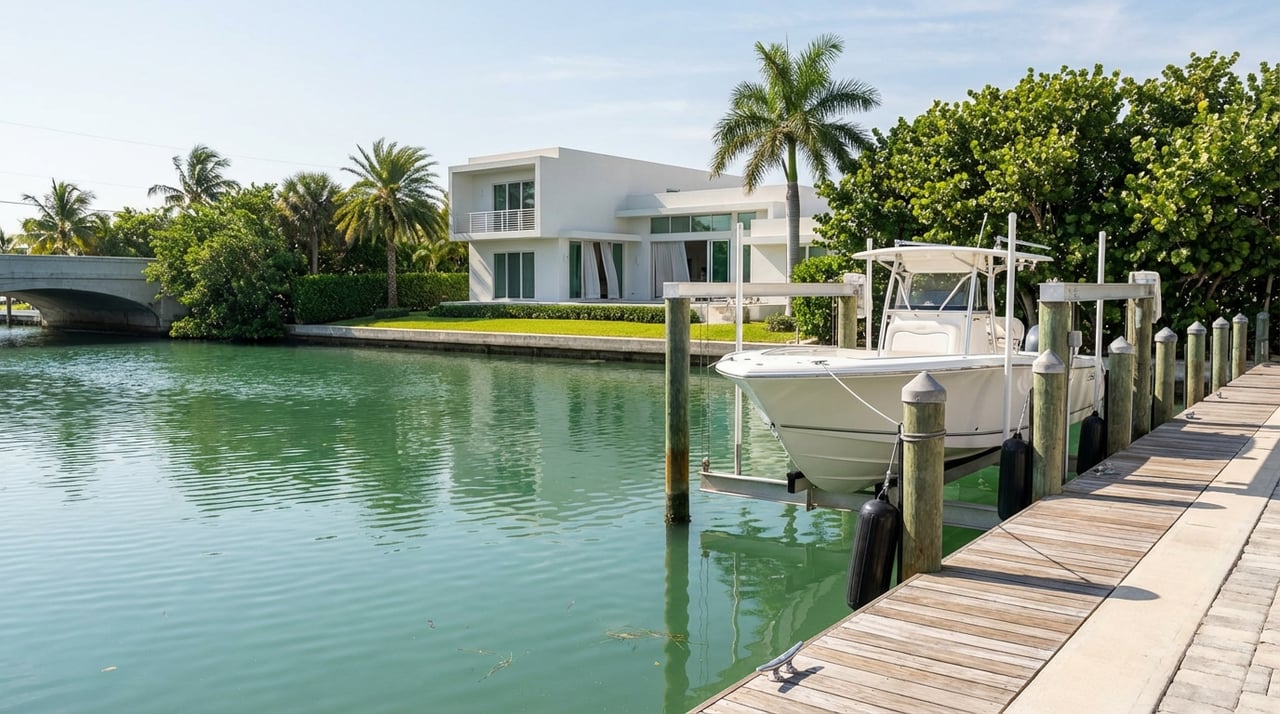
- Canal width: This governs turning radius, allowable dock length, and practical maximum LOA. Wider canals that connect to Naples Bay support larger vessels and easier maneuvering.
- Dock systems: Power, water, lift capacity, and piling condition matter. A 100A service at the dock is a different offering than a basic tie-up.
- Seawall condition: Older or failing walls can be a six-figure and multi-month project. Replacement needs and timelines often surface during negotiation.
- Permitting overlays: Local, state, and federal rules can affect dock length, lift types, and any work near seagrass or mangroves. Expect oversight from county, state coastal authorities, and federal agencies for work waterward of mean high water.
The house vs. the site
In Port Royal, the market often prices the lot first and the structure second. That is why you see frequent teardown-to-new-build cycles on trophy sites. Still, a well-executed renovation with modern coastal systems can command a premium because it removes buyer uncertainty.
Renovate or rebuild?
Use this quick framework before you decide:
- Structural health: Significant foundation, piling, or termite issues often tilt the math toward teardown.
- Elevation and flood: Older homes built below current base flood elevations can require major mitigation. Rebuilding to current code can be the cleaner path.
- Systems and envelope: If HVAC, electrical, plumbing, and roofing are all near end-of-life, a gut renovation may have limited ROI compared to a new build.
- Architecture: If a home has distinct architectural value and you can modernize without losing character, renovation may merit the investment.
- Zoning and footprint: Confirm setbacks, lot coverage, and potential maximum square footage to be sure a new plan can achieve your goals.
Reading comps like an insider
Trophy markets require a different comp strategy. Small sample sizes and one-off lots can mislead if you focus on price per foot alone.
- Normalize by lot first: Rank sales Gulf, bayfront, wide-main canal, side canal, inner canal, then adjust for the house. Lot and water position explain more variance than living area.
- Adjust for boating utility: Two similar homes with different dock sizes or seawall status are not equals. Dock capability and replacement needs can change net value considerably.
- Match condition to condition: Compare renovated homes to renovated homes. Benchmark dated homes against teardown sales and new builds on similar lots.
- Watch pattern types: Move-in ready estates often see faster market times and tighter negotiation spreads. Dated properties can sit longer and invite larger concessions.
Buyer checklist before you offer
Use this as a pre-offer filter:
- Confirm exact water access and any fixed bridges between you and the Gulf.
- Verify canal width and depth, plus tidal range at the dock and any dredging history.
- Inspect dock and seawall condition, existing permits, and utilities at the dock.
- Pull the elevation certificate and FEMA flood zone to model insurance and retrofit needs.
- Study recent comparable sales on similar lot types and note nearby teardowns or new builds.
- Ask about permitting timelines for docks, seawalls, and full rebuilds with local authorities.
- Request coastal insurance quotes from specialists for wind and flood.
- Review association rules, easements, and deed restrictions, if applicable.
Seller prep to capture premium
Position your property so buyers see clarity, not complexity.
- Assemble permitting history and documentation for recent seawall or dock work.
- Consider pre-listing structural and marine surveys to reduce buyer uncertainty.
- If the home is likely a teardown, present lot-value comps and nearby recent new builds to frame upside.
- Highlight unique features like private beach width, dock capacity, unobstructed views, and proximity to downtown Naples.
Negotiation levers that matter
You can anticipate the issues that shape price and terms.
- Seawall age and condition: Replacement costs can be a material credit or price adjustment.
- Elevation gaps: Homes below current base flood elevation may require mitigation, affecting appraisals and insurance.
- Dock limitations: Inadequate power, lift capacity, or restricted lengths on narrow canals can reduce boating utility.
- Regulatory constraints: Coastal setback, mangrove, and seagrass protections can limit modifications and timing.
- Access and orientation: No-bridge routes and wide-water vistas are premium features that support firmer pricing.
What to expect on timelines
Renovations with a modest scope can be faster than a teardown, but luxury waterfront projects often reveal hidden conditions that extend schedules. A teardown and new construction lets you optimize elevation, structure, and systems to current code, but permitting and coastal reviews take time. Dock and seawall work have their own sequencing and reviews. Plan for design, permitting, and construction in your overall hold timeline.
Practical next steps
- Confirm the fundamentals: Pull parcel data, lot dimensions, and elevation certificates. Order structural and marine inspections.
- Scope the plan: Meet with a local architect, builder, and licensed marine contractor to align budget, permitting, and feasibility.
- Pressure-test the comps: Focus on lot-first ranking and recent builds on similar water. Keep a running log of nearby teardowns.
- Choose the go-to-market path: If selling, consider premium presentation paired with targeted distribution. If buying, explore pre-market sourcing.
If you want a quiet, informed search or a high-impact sale, you benefit from a research-forward advisor who can source pre-market opportunities, coordinate due diligence, and deliver premium marketing. Our boutique team pairs deep public-record research with Compass tools like Private Exclusives and Concierge to position you for success.
Ready to make a confident move in Port Royal? Connect with Amanda Van Slyke to Request a Private Market Update and map your next steps.
FAQs
What drives top-tier value in Port Royal waterfronts?
- Gulf frontage typically sits at the top due to private beach access, west-facing views, and direct Gulf connection, followed by bayfront and then wide-main canals.
How important is canal width for larger yachts?
- Canal width shapes dock length, turning room, and practical vessel size; wider canals that open to Naples Bay generally support larger boats and easier maneuvering.
Should I renovate or tear down an older Port Royal home?
- It depends on structural condition, elevation and FEMA requirements, system age, and your target footprint; prime lots often favor a rebuild to current codes.
What permits affect docks and seawalls in Port Royal?
- Expect local, state, and federal oversight for work waterward of mean high water, plus flood and elevation requirements that apply to new construction near the coast.
How do I compare a renovated bayfront home with a teardown on a better lot?
- Start with a lot-first ranking, adjust for dock and seawall utility, then match condition to condition by comparing renovated homes to renovated peers and teardowns to new builds.