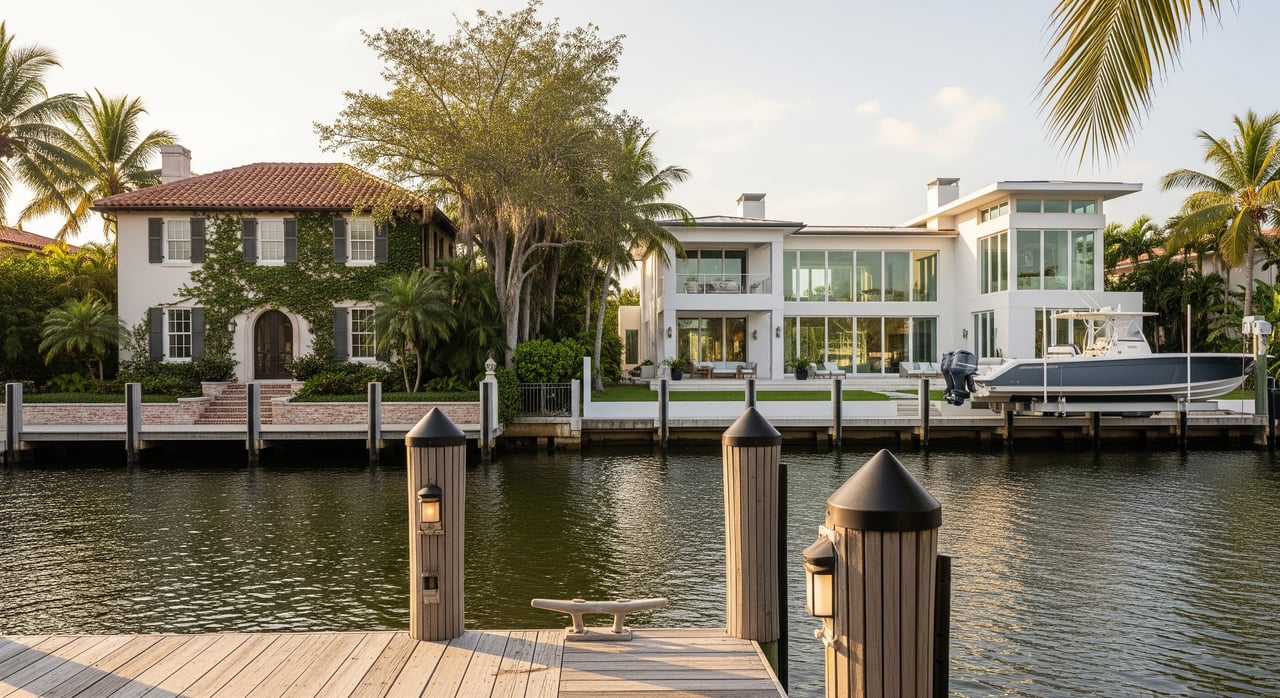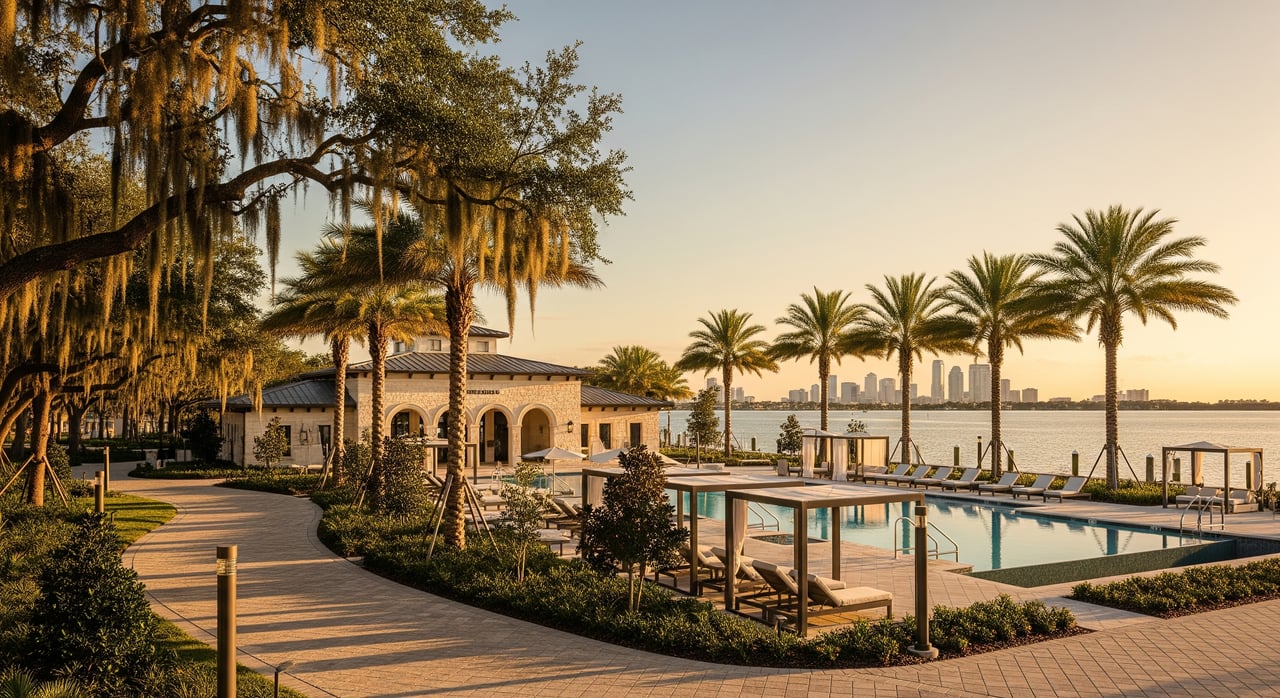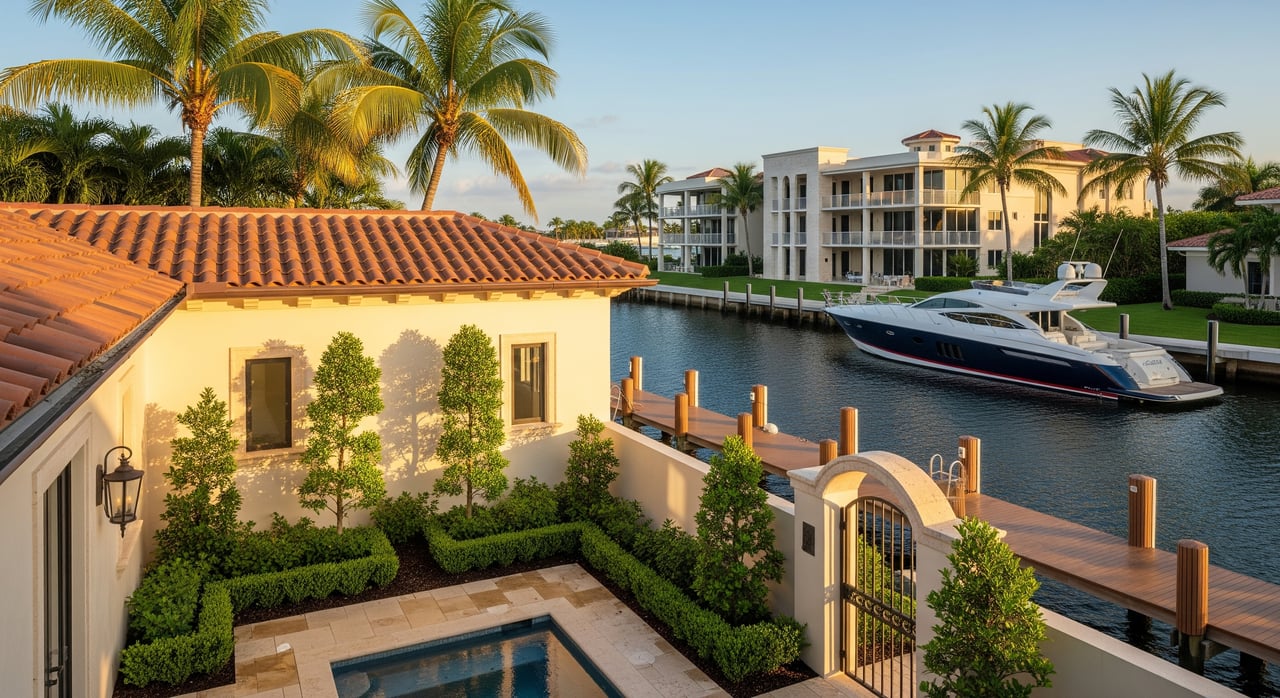
Eyeing a waterfront tower on Gulf Shore Boulevard or a single-family home tucked inside The Moorings? Choosing between a condo association and an HOA can change your monthly costs, your maintenance responsibilities, and even how you insure the property. If you know what each association type covers in Naples, you can avoid surprises and buy with confidence. This guide breaks down the real differences in Moorings and nearby Park Shore so you can choose the fit that matches your lifestyle and goals. Let’s dive in.
HOA vs condo basics
Condo associations and HOAs both exist to manage shared interests in a community, but they do so under different Florida statutes and with different scopes of responsibility.
Florida framework
- Condominiums fall under Florida Statutes Chapter 718 for condominiums, which outlines association powers, budgets, reserves, elections, and records.
- Homeowners’ associations follow Florida Statutes Chapter 720 for HOAs, which covers similar topics for single-family and certain townhouse communities.
- The DBPR Division of Condominiums consumer resources provide guidance on disclosures, elections, records access, and owner rights.
Both types must prepare annual budgets, hold elections, and keep records. The governing documents for each community set day-to-day rules on items like rentals, pets, parking, and architectural standards.
What each maintains
The biggest practical difference is what the association maintains versus what you maintain.
Condo associations in The Moorings and Park Shore
- Maintain building exteriors and structural components, including the roof, exterior walls, and shared systems defined as common elements.
- Manage major building systems such as elevators, hallways, parking structures, and mechanical chases that serve multiple units.
- Care for shared amenities and coastal infrastructure like pools, landscaping, docks, marinas, and seawalls when owned by the association.
- Unit owners usually handle interior finishes and non-structural components within unit boundaries as defined in the declaration.
Major capital items for waterfront towers include concrete restoration, elevator modernization, roof replacement, dock or seawall work, and flood mitigation projects. These influence dues, reserves, and the potential for special assessments.
HOAs for single-family homes
- Maintain community areas such as entry features, perimeter walls or fencing adjacent to public areas, shared pools, landscaping in common strips, streetlights, gates, and amenities.
- Individual owners typically maintain their own roof, exterior paint, driveway, yard, irrigation, and any private dock or seawall unless the HOA documents say otherwise.
- Some “enhanced” HOAs include exterior maintenance services like lawn care or roof cleaning, which can raise dues but reduce your personal to-do list.
Dues and budgets
Condo dues often run higher than single-family HOA dues because condos fund shared building systems, structural upkeep, and sometimes on-site staff. HOA dues vary widely with the level of amenities and services.
What drives the amount you pay:
- Age and construction type. Older concrete buildings near the coast often require more frequent maintenance.
- High-cost systems. Elevators, centralized mechanicals, parking structures, docks, and seawalls add complexity.
- Insurance and labor trends. Wind and hurricane coverage, flood exposure, and local labor costs factor into annual budgets.
- Capital history. Prior assessments, planned projects, and reserve funding levels affect future dues.
Both association types must provide budget documents. Condo budgets usually show more line items tied to building systems, which helps you evaluate future costs.
Reserves and special assessments
Healthy reserves reduce surprises. Both HOAs and condo associations are expected to build reserves for major repairs and deferred maintenance. Condo associations typically have more complex reserve needs because of structural and mechanical systems, plus coastal elements like seawalls.
Questions to ask before you commit:
- When was the last reserve study, and is there a 5 to 10 year funding plan?
- What capital projects are planned or underway, and how will they be paid for?
- Have owners voted to waive or reduce reserve funding recently? If yes, why?
- Are there any special assessments on the horizon?
Large or repeated special assessments, low reserve balances, and unfunded upcoming projects deserve close attention.
Insurance in coastal Naples
Insurance works differently in condo buildings versus single-family homes, and coastal risk matters in The Moorings and Park Shore.
- Condo associations usually carry a master policy that covers common elements and structural components as defined in the documents and statute. Owners then carry an HO-6 policy for interiors, personal property, liability, and loss assessment coverage.
- Single-family HOA owners typically carry an HO-3 policy that insures the dwelling and contents. The HOA insures only the common areas and amenities.
- Hurricane deductibles on association master policies are often percentage-based and can be large. Confirm if the association can allocate deductibles or uninsured losses to owners and under what formula.
- Flood risk is real along Moorings Bay and the Gulf. Lenders require flood insurance if the property is in a flood zone. Check maps at the FEMA Flood Map Service Center and verify coverage needs.
Bottom line: understand what the master policy covers, what it does not, and how deductibles are allocated. For condos, confirm your HO-6 includes adequate loss assessment coverage.
Rules, rentals, and oversight
Both association types are governed by boards elected by owners. You should understand how rules and enforcement differ.
- Condos often have more detailed procedures tied to shared walls and services. Expect rules for unit modifications, meeting procedures, leasing, and guest policies.
- Single-family HOAs focus on exterior standards and architectural review. Expect guidelines for roof materials, paint colors, landscaping, and driveway treatments.
- Records and disclosures matter. Associations must keep certain records and provide disclosure packets to buyers. The DBPR Division of Condominiums consumer resources outline key rights and obligations.
If you plan to rent, review lease terms and minimum lease periods. Owner-occupancy ratios can affect financing and resale.
Local factors in The Moorings and Park Shore
Naples waterfront living comes with unique maintenance drivers that influence budgets and assessments.
- Seawalls and bulkheads. Confirm who is responsible for construction and repair. In condos, the association often handles shared seawalls; in single-family waterfront properties, owners may be responsible individually or via a small HOA.
- Concrete restoration. Coastal towers routinely plan for concrete rehabilitation and rebar corrosion repair. These projects are expensive and cyclical.
- Elevator life cycles. High-rise condos must modernize and replace elevators as they age.
- Roofs and openings. Roof replacement and window or door upgrades are planned capital events.
Understanding who pays for what, and when, is essential when you compare two otherwise similar buildings or communities in The Moorings or Park Shore.
Buyer due diligence checklist
Request these items early, either before contract or during your inspection period. Review them with your agent and consider consulting a local real estate attorney or association specialist.
- Governing documents: declaration, bylaws, articles, rules, and all amendments.
- Current year budget and the last 2 to 3 years of financial statements.
- Current reserve study and funding plan; list of recent capital projects and invoices.
- Insurance certificates: master policy declarations, coverage limits, wind or hurricane deductibles, and how deductibles are allocated.
- Meeting minutes for the last 12 to 24 months.
- Litigation disclosures and any insurance claims history.
- Assessment and arrears report, including special assessments in the last 5 to 10 years.
- Engineering and inspection reports: structural, roof, concrete, seawall, elevator, and building envelope.
- Rental, parking, storage, and pet policies.
- Documents explaining responsibility for docks, lifts, and seawalls.
- Property record checks using the Collier County Property Appraiser and permits on the Collier County government site.
Which fit is right for you?
Choose a condo association if
- You want low exterior maintenance with staff or strong building services.
- You plan seasonal use and value a lock-and-leave setup.
- You accept higher dues and the possibility of larger special assessments tied to structural or mechanical systems.
Choose a single-family HOA if
- You want more control over your exterior, landscaping, and insurance choices.
- You prefer potentially lower base dues and are comfortable maintaining the roof, driveway, and yard.
- You are prepared to handle private seawall or dock costs if applicable.
Financing and resale notes
Lenders review association financials, litigation status, and the condition of common elements, especially for condos. Owner-occupancy ratios and reserve funding can influence underwriting. Strong reserves, clear engineering reports, and stable policies can support smoother financing and can enhance resale appeal.
Ready to compare options in The Moorings?
If you are weighing a waterfront tower against a single-family property in The Moorings or Park Shore, the right choice starts with the documents and the numbers. We will help you read the budgets, interpret reserve plans, and confirm insurance and coastal maintenance responsibilities so you buy with clarity. For a private look at opportunities and a tailored due diligence plan, connect with Amanda Van Slyke to request a Private Market Update.
FAQs
What is the main difference between HOAs and condo associations in Naples?
- Condo associations maintain shared buildings and systems, while HOAs for single-family homes focus on common areas and amenities, leaving most exterior home maintenance to the owner.
What documents should I review before buying in The Moorings?
- Ask for governing documents, current and recent budgets, reserve studies, insurance certificates, meeting minutes, engineering reports, and any disclosures about assessments or litigation.
How do hurricane deductibles impact condo unit owners?
- Condo master policies often have percentage-based hurricane deductibles; many associations can allocate part of that deductible to owners, so confirm the deductible structure and your loss assessment coverage.
Are seawalls the association’s responsibility in Moorings condos?
- Often the association handles seawalls for shared waterfront areas, but responsibility depends on the declaration; verify who maintains, insures, and funds repairs for docks and seawalls.
Does association insurance include flood coverage in Naples?
- Association policies do not replace flood insurance requirements; if the property is in a flood zone, you or your lender may require a separate flood policy based on FEMA Flood Map Service Center data.