Wondering whether an Olde Naples cottage or a newer build is the smarter move? You are not alone. In this part of Naples, the choice is rarely just about square footage or finishes. It is about how you want to live, how much stewardship you want to take on, and which kind of value matters most to you. If you are weighing charm against convenience in one of Naples’ most iconic coastal districts, this guide will help you compare the tradeoffs with more clarity. Let’s dive in.
Olde Naples Has Two Distinct Paths
Olde Naples sits within the Naples Historic District, with boundaries that run roughly from 9th Avenue South to 13th Avenue South, from 3rd Street to the Gulf of Mexico. That setting matters because your decision is tied to more than the house itself. You are buying into a compact coastal area with a historic housing mix, strong land value, and a lifestyle built around walkable pockets near the beach, Third Street South, and Fifth Avenue South.
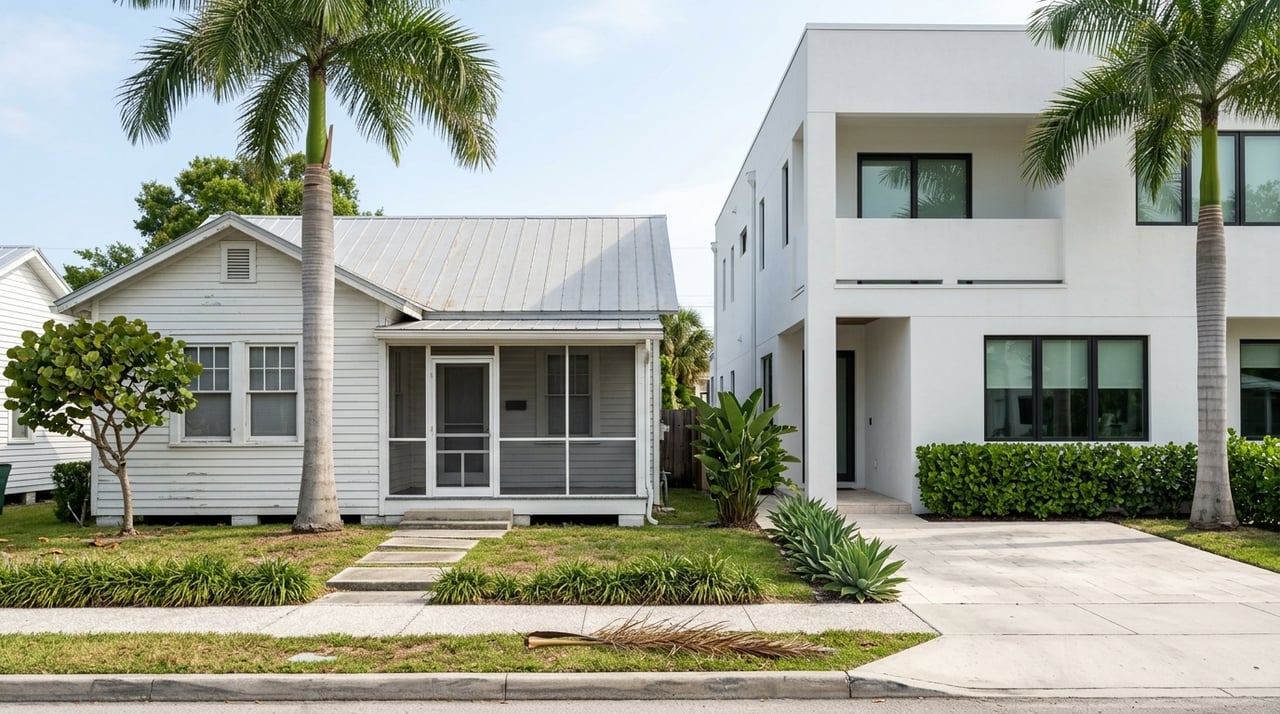
In practical terms, many buyers in Olde Naples are choosing between two very different ownership experiences. One path offers architectural character, porches, and a direct link to the neighborhood’s early history. The other offers newer systems, more predictable upkeep, and construction standards shaped by more recent building practices.
What Classic Cottages Offer
Olde Naples is known for its historic housing stock, and frame vernacular homes are the most common style among contributing properties in the district. These homes often feature wood siding, large porches, front or side gable roofs, dormers, and wood windows or shutters. You can also find later Craftsman-style bungalows and other older home types woven into the neighborhood.
For many buyers, that architectural language is the point. A cottage or bungalow can feel more rooted in place, with porch-oriented design and a scale that connects naturally to the street and surrounding blocks. If you want a home that reflects the original character of Olde Naples, an older property often delivers that in a way newer construction cannot fully replicate.
It is also worth noting that “cottage” does not always mean small. Historic Palm Cottage, identified by the Naples Historical Society as Naples’ oldest house, was built in 1895 with tabby construction, 12-foot ceilings, and roughly five to seven bedrooms. In other words, the cottage label in Olde Naples can describe style and historic identity as much as size.
Why Buyers Love Older Homes
Buyers are often drawn to older cottages and bungalows for a few clear reasons:
- Distinct architectural character
- Strong historic feel
- Porch-focused layouts suited to coastal living
- A closer connection to the neighborhood’s origins
- Irreplaceable locations near the beach core
That appeal is real, especially if you want something with personality rather than a polished blank slate. In a neighborhood as established as Olde Naples, original character can be a meaningful part of long-term value.
What to Watch With Historic Homes
The tradeoff is stewardship. Older homes often require more planning around renovation, updates, and ongoing maintenance. If the property is within the Naples Historic District, alterations to historic buildings generally require review and approval by the Florida State Historic Preservation Office before city permitting.
That means your timeline, budget, and design flexibility may look different than they would with a newer home. If the property is also in a flood hazard area, additional mitigation requirements may apply. For a buyer who values character, this may be worth it. For a buyer who wants simplicity, it can feel restrictive.
What New Builds Change
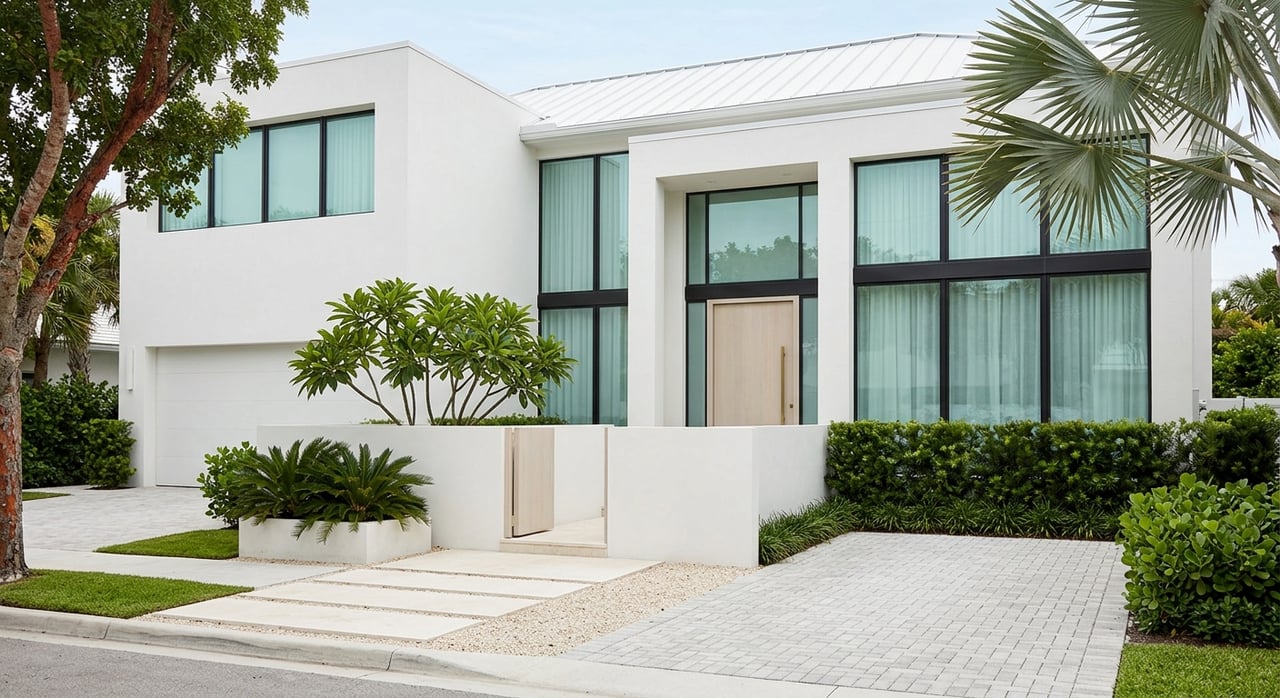
New construction is not rare in Olde Naples. Current market examples show a wide range, from a new-construction condo listed around $3.65 million to houses reaching roughly $17.95 million. Broader Old Naples listings also show new single-family homes in the roughly $6.495 million to $12.9 million range and higher.
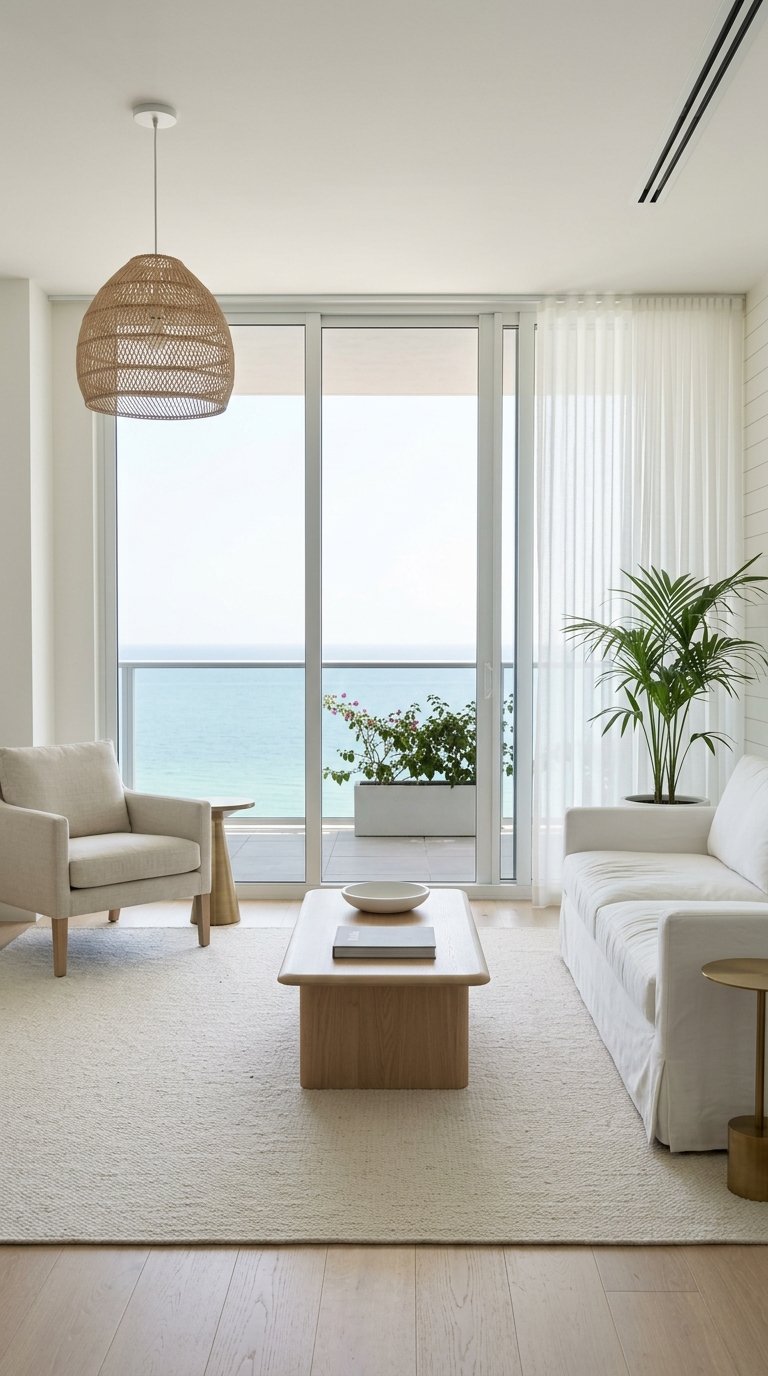
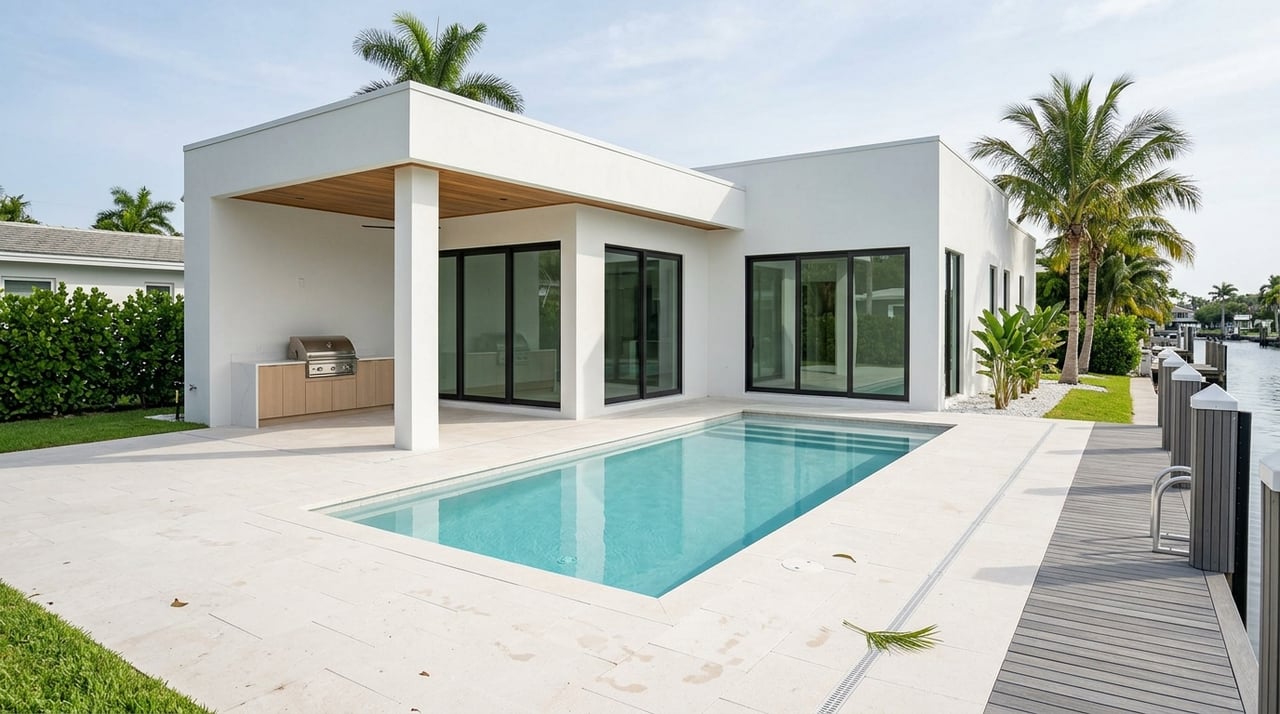
For many buyers, the biggest advantage of new construction is predictability. You are more likely to get updated systems, newer materials, and a home built with recent codes and practices in mind. In a coastal market, that matters.
City guidance notes that recent construction practices and regulations make new structures less prone to flood and hurricane damage. That does not remove risk, but it can reduce vulnerability compared with many older homes. If your priority is easier ownership with fewer immediate upgrades, newer construction often has the edge.
Why Buyers Choose Newer Homes
A newer build usually appeals to buyers who prioritize:
- More current systems and infrastructure
- Greater resilience tied to recent construction standards
- Larger or more contemporary floor plans
- Lower near-term maintenance needs
- A more turnkey ownership experience
If you split your time between Naples and another home, that easier stewardship can be especially attractive. You may prefer spending your time enjoying the property rather than coordinating updates or preservation-sensitive projects.
The Tradeoff With New Construction
The tradeoff is that newer homes may not offer the same historic texture or architectural intimacy as an original cottage or bungalow. Depending on the lot and design, a new build can feel more polished and efficient, but less tied to Olde Naples’ earliest identity.
For some buyers, that is not a downside at all. For others, it is the one thing a new home cannot manufacture, no matter how refined the finishes are.
Lifestyle Matters as Much as the House
Your daily routine in Olde Naples may matter just as much as whether the house is old or new. Redfin rates the neighborhood at 58 out of 100 for walkability and 55 out of 100 for bikeability. That suggests a place with walkable pockets rather than a fully car-free lifestyle.
The strongest lifestyle nodes are the beach and pier corridor, Third Street South, and Fifth Avenue South. The City of Naples identifies the Naples Pier at the west end of 12th Avenue South and notes active programming and destinations around the area, including the Third Street South farmers market and Fifth Avenue South events.
The city also highlights pedestrian crossings and sidewalk improvements in several Old Naples locations, including Gulf Shore Boulevard and 2nd Avenue South, 1st Avenue South and 3rd Street South, and 4th Avenue North and 4th Street North. That shows walkability is an active planning issue, not just a sales phrase.
How to Think About Location
When you compare a cottage and a new build, ask yourself how the block works for your real life. A charming older home in the right pocket may outperform a newer home in a less convenient spot if your goal is frequent walks to the beach or nearby dining and shopping. Likewise, a new build with stronger systems and a great location may give you the best of both worlds.
In Olde Naples, the best choice is often not simply old versus new. It is how the property’s condition, setting, and access line up with the life you want to have there.
Price Does Not Follow Age Alone
One of the biggest misconceptions in Olde Naples is that older homes are always less expensive than newer ones. Current listings suggest otherwise. A historic 1935 cottage at 123 11th Ave S carries a Zestimate of $4.65 million, while a listing described as the ultimate beach cottage at 61 12th Ave S is priced at $7.25 million.
At the same time, new-construction listings such as 349 2nd Ave N at $10.999 million and 128 1st Ave S at $12.9 million show how high the top end can go. The broader takeaway is simple: in Olde Naples, location, lot, condition, and lifestyle appeal can matter as much as the home’s age.
Market data from spring 2026 also points to a high-value market with meaningful inventory and less frenzy than in prior periods. Redfin reported a median sale price of $1.35 million in May 2026, with homes selling in 56 days and about 6% below list on average. Realtor.com reported a median listing price of $1.695 million in March 2026 and described the area as a buyer’s market, while Zillow reported different value and pricing figures based on its own methodology.
Because these portals use different methods and timeframes, the exact numbers are not directly comparable. Still, they point in the same direction: Olde Naples remains expensive, but buyers may have more room for diligence and negotiation than they would in a faster, tighter market.
Due Diligence Questions to Ask
Whether you are leaning toward a cottage or a new build, strong research matters in Olde Naples. Before you move forward, ask these questions:
- Is the property inside the Naples Historic District?
- Is it considered a contributing resource within the district?
- Is the home located in a Special Flood Hazard Area?
- Is the lowest floor below the required flood elevation?
- What protections are already in place, such as impact windows, shutters, flood openings, elevated equipment, drainage improvements, or reinforced foundations?
- Which parts of the home are original, and which systems have been updated?
- If renovation is part of the plan, what is the realistic budget and review path?
- How walkable is the address in your daily routine, not just on paper?
These questions can shape both your ownership costs and your future flexibility. In a neighborhood where historic review and floodplain considerations may both come into play, details matter.
Which Option Fits You Best?
A classic cottage or bungalow may be the better fit if you value historic feel, porch-oriented architecture, and a home that reflects the roots of Olde Naples. This path often suits buyers who are comfortable with more planning and who see character as part of the return.
A newer build may be the better fit if you prioritize updated systems, larger layouts, and fewer preservation-related constraints. This path often suits buyers who want a more turnkey experience and more confidence around near-term maintenance.
Neither choice is automatically better. In Olde Naples, the right answer usually comes down to which tradeoff matters more to you: architectural character and history, or newer construction and easier ownership.
If you want help sorting through on-market, pre-market, and off-market opportunities in Olde Naples, Amanda Van Slyke can help you evaluate the block, the property, and the long-term upside with a research-first approach.
FAQs
What is the main difference between a cottage and a new build in Olde Naples?
- A cottage typically offers more historic character and neighborhood charm, while a new build usually offers newer systems, more predictable upkeep, and construction shaped by more recent codes and practices.
Are historic cottages in Olde Naples always smaller than new homes?
- No. Historic Palm Cottage shows that cottage style in Olde Naples does not always mean small, since it was built with 12-foot ceilings and roughly five to seven bedrooms.
Do historic homes in Olde Naples have extra review requirements?
- Yes. City guidance says alterations to historic buildings in Naples generally require review and approval by the Florida State Historic Preservation Office before city permitting.
Are new builds in Olde Naples better for flood and storm resilience?
- In general, city guidance says recent construction practices and regulations make new structures less prone to flood and hurricane damage.
Is Olde Naples highly walkable for everyday living?
- Olde Naples has walkable pockets rather than a fully car-free layout, with strong access around the beach and pier corridor, Third Street South, and Fifth Avenue South.
Does an older home in Olde Naples always cost less than a new build?
- No. Current listings show that older cottages can still command premium pricing, so value depends on location, lot, condition, and lifestyle appeal, not age alone.